The First Light on the Alps
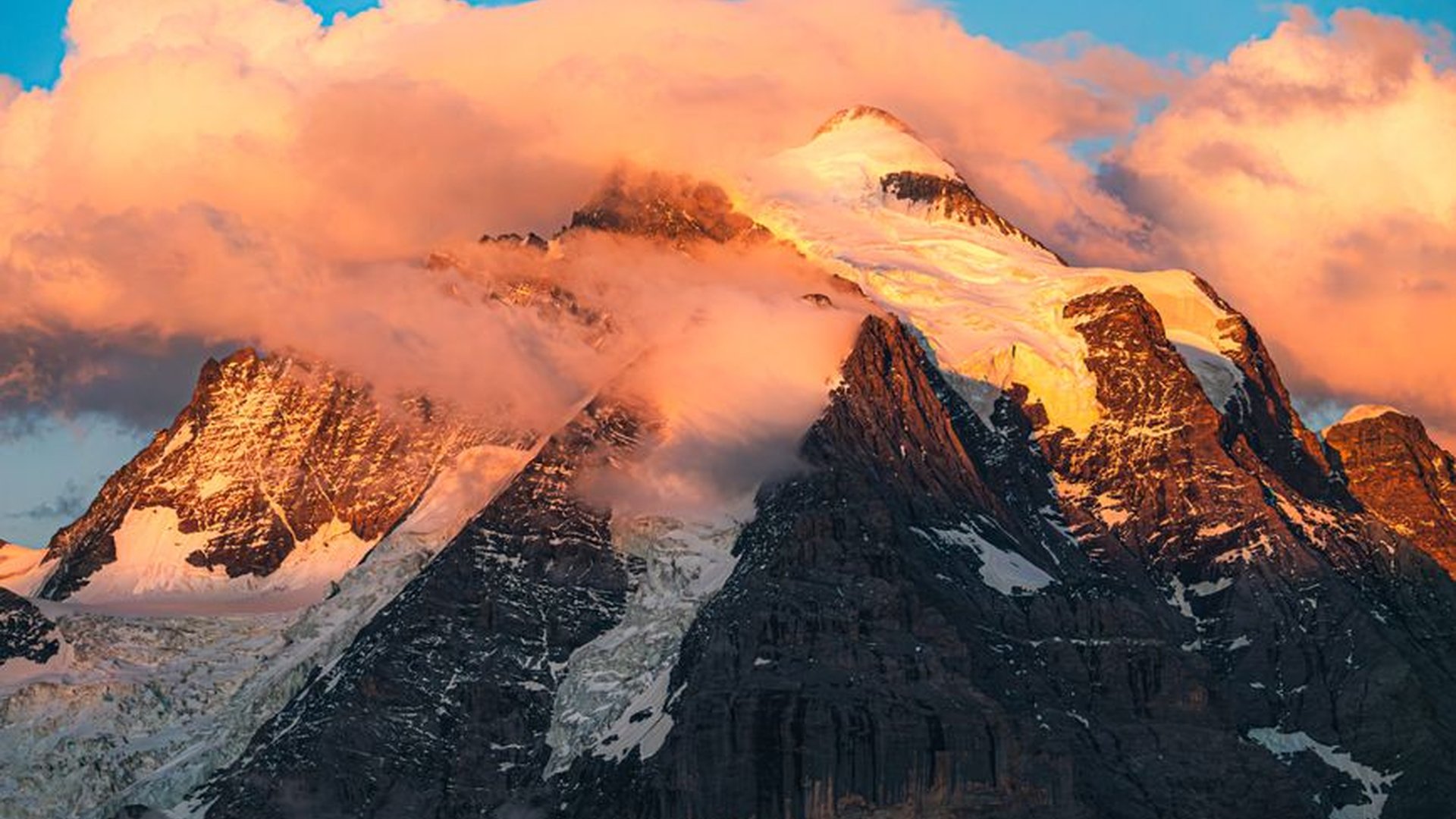
I woke to a sound I hadn’t heard in years: the quiet. Not the kind of quiet that comes after a storm, but the hush that builds when the world still holds its breath before sunrise. I was in a small alpine hut near Zermatt, perched above the tree line on the edge of the Matterhorn range. My only companion was a kettle that had been humming softly since 5:15 a.m. The air was sharp—cold and thin, like the kind you feel when you’ve forgotten to close a window in winter. I wrapped a woolen shawl around my shoulders, stepped onto the wooden deck, and saw it: the first golden line bleeding across the eastern ridges, illuminating the snow-dusted peaks like a slow reveal in a dream.
This was not a travel plan written on a spreadsheet. No packed itineraries, no three-hour drives between towns. I had chosen to travel slowly—just me, a backpack, and the rhythm of mountain time. And in that moment, I understood why people say the Alps don’t just welcome you—they let you stay.
Where the World Slows Down
Most travelers rush through Switzerland like a checklist: Zurich for the cafes, Lucerne for the castle, and Geneva for the museums. But I wanted to see what happens when you stop. So I took a regional train from Interlaken to Zermatt, not for the destination, but for the journey itself. The rails snaked through valleys where cattle grazed in meadows still thick with overnight frost. A farmer waved from a wooden gate, not in greeting, but in acknowledgment—like he knew I was on a different kind of mission.
Zermatt, I learned, is a village built on patience. No cars allowed, only electric shuttles and footpaths. I stayed in a family-run guesthouse run by a woman named Lina, who served breakfast on a pine table by a stone hearth. ‘The sun doesn’t care about your schedule,’ she said, pouring coffee into a chipped blue mug. ‘It comes when it comes.’
I spent four days walking the same 3.5-kilometer loop daily. Not because I was chasing trails, but because I wanted to feel the same ridge at different hours—how the light changed, how the wind muttered through the pines, how eagles circled the same cliff face at midday. There’s a kind of honesty in repetition. You stop searching for newness and start noticing how a single snowflake melts under a morning sun.
Rising with the Matterhorn
On the third morning, I woke at 4:40 a.m. to an email notification—then deleted it without opening. I was done with the digital pulse. I walked barefoot over cold stones to the edge of the alpine terrace, where I watched the sky go from black to violet to gold, not with the urgency of an alarm, but the grace of a ritual.
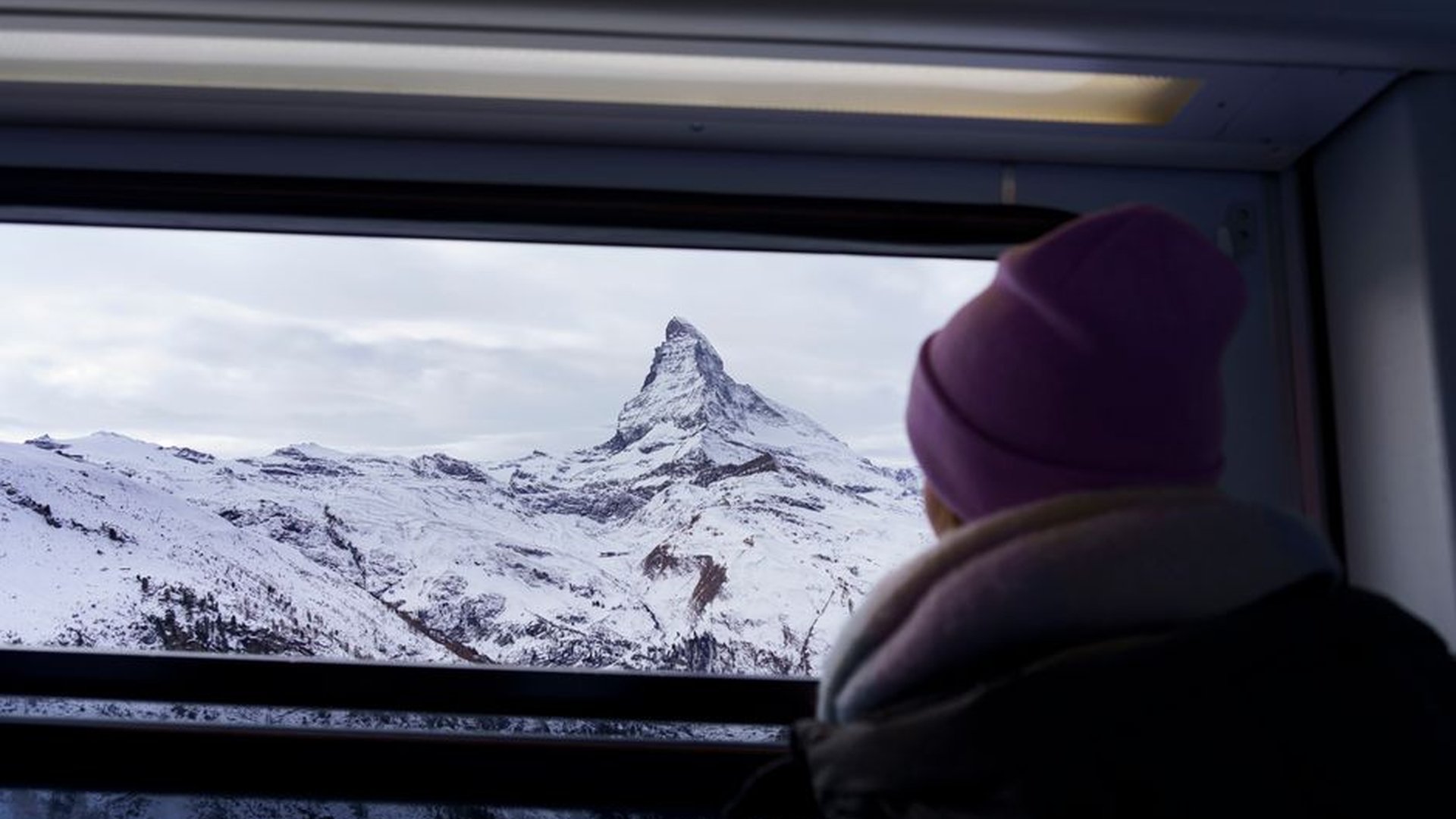
The Matterhorn loomed across the valley, its pyramid-shaped peak still shadowed, but beginning to blush at the edges. As the sun climbed, it lit the peak in a way I’ve only seen in old paintings—crimson and amber, like fire trapped in ice. I sat there with no phone, no journal, no thoughts to write down. Just presence. I realized that slow travel isn’t about doing less. It’s about doing one thing so deeply that it becomes a kind of meditation.
Later, I met an elderly shepherd named Hans who had spent 50 years tending sheep along this same route. He didn’t speak much English, but we communicated in smiles and hand gestures. He pointed to a nearby clump of edelweiss, then to his heart, and nodded. I understood: this is what matters. Not the view, but the feeling of being part of it.
The Rhythm of Mountain Life
What struck me most wasn’t the scenery—it was the way people moved. No one was running. No one checked their watch. At the village’s only bakery, I waited behind a woman who bought a single rye roll, not for the bread, but for the ritual of it—how she folded her hands and whispered a silent thanks before taking it. At the post office, a child handed a letter to the postal worker and smiled like he’d just delivered a secret.
I realized that in Switzerland, time isn’t a resource to be saved. It’s a companion. The people here don’t say they’re ‘busy.’ They say, ‘I’m here,’ and mean it. A man at the train station that morning was not rushing to catch a train. He was watching a young boy feed pigeons near the platform and laughing quietly. He didn’t need to be somewhere else. He was already where he needed to be.
This isn’t a vacation. It’s a return. A quiet return to the way the world used to move—where the sound of footsteps on stone means more than any digital ping.
Leaving with a New Kind of Memory
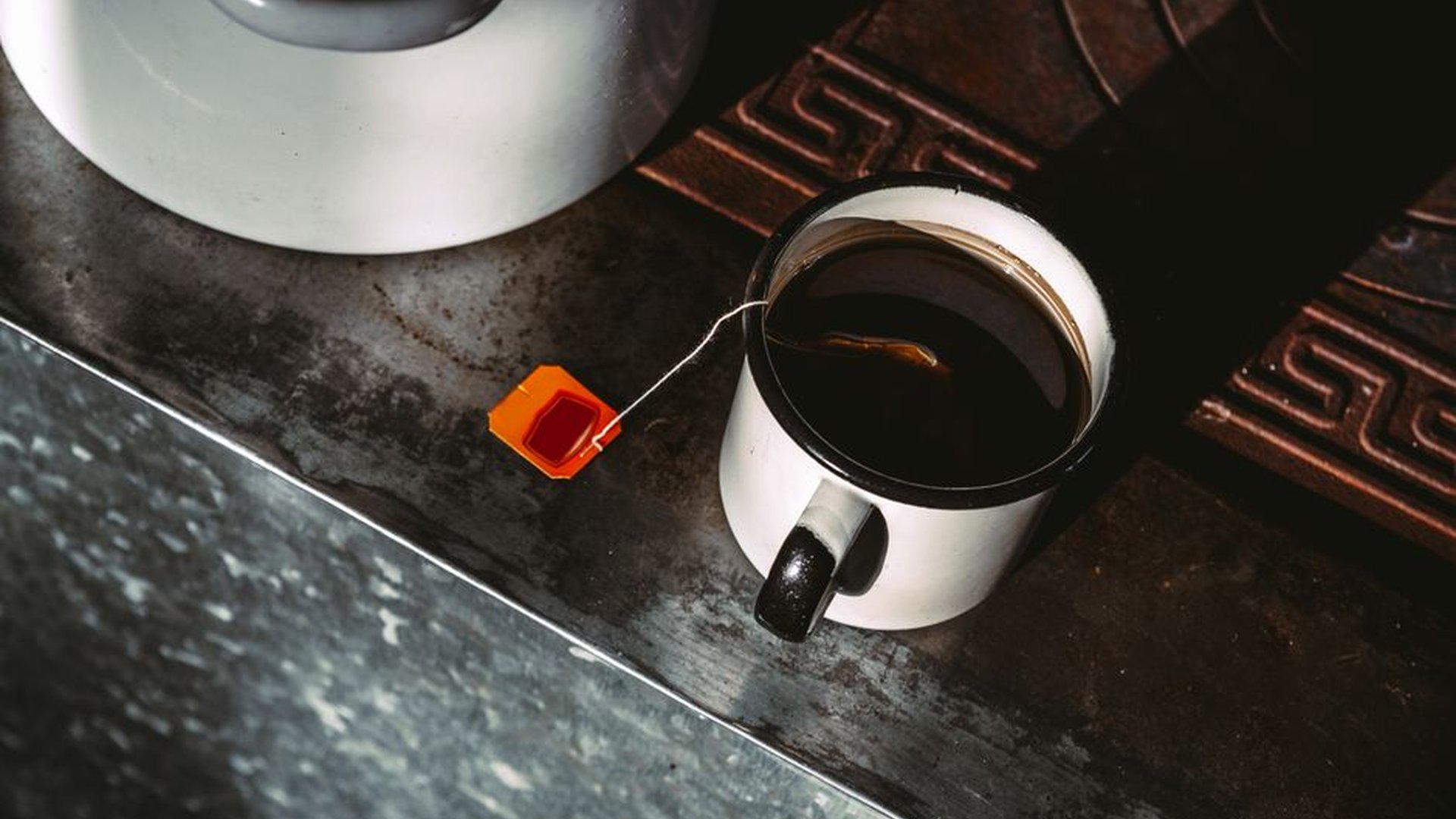
On my final morning, I sat again on the deck, sipping tea that had steeped long enough to be bitter. I closed my eyes and let the wind brush my skin. I didn’t try to capture it through a lens. I didn’t write a note. I just let the moment settle in, like snow on a stone.
I left Zermatt not because I had seen enough, but because I had felt enough. I’d learned that slow travel isn’t a luxury. It’s a necessity—especially in a world that never stops moving. Some travel is about checking boxes. This kind was about checking in.
And when I boarded the train back toward Interlaken, I carried not souvenirs, but silence. Not a photo, but a stillness.
The Alps don’t say goodbye. They just say, ‘You’re home now.’