Why Your Gear Makes or Breaks an Alaska Trip
Imagine standing at the edge of a glacier in Denali National Park, the air sharp and cold, wind sweeping across the tundra like a living force. The kind of moment that etches itself into your memory—forever. But what if that experience turns sour because your jacket isn’t windproof, your boots are soaked, or your camera freezes mid-shot? That’s the reality for many travelers who underestimate the power of the right gear. Alaska isn’t just a destination; it’s a force of nature that demands respect. With temperatures dropping below zero, unpredictable weather shifts, and terrain that ranges from icy river crossings to moss-covered forests, every item you pack isn’t just a possession—it’s a lifeline. The truth is, even the best-laid plans can falter without gear built for the extremes. That’s why this guide isn’t just about what to bring. It’s about understanding how gear influences your safety, comfort, and connection with the wild. From waterproof boots that keep your feet warm to layered thermal systems that adapt to changing conditions, the gear you choose shapes your journey more than any itinerary ever could.
Layering Systems Are Your Best Friend in the Wild
When you think of cold weather gear, it’s easy to go overboard—buying a heavy parka, thick socks, and a bulky hat, only to end up overheating and sweating inside your tent. That’s a common mistake. The secret to staying warm, dry, and comfortable across Alaska’s shifting weather lies in a proven method: the layering system. Think of it as building a living suit with three main parts. First, the base layer—this is your moisture-wicking inner shell. Choose materials like merino wool or synthetic fabrics that pull sweat away from your skin. Don’t go for cotton. It traps moisture, and in cold climates, that’s a fast track to hypothermia. Next, the mid-layer. This is where the insulation lives—down, synthetic fill, or fleece. It’s the core of warmth. A 200-300 gram down jacket, for example, offers incredible heat retention without the bulk. Finally, the outer shell—your weatherproof barrier. This is where you need a durable, waterproof, and breathable jacket. Look for features like sealed seams and adjustable hoods. That’s how you stay dry during sudden rainstorms or snow while still allowing heat to escape so you don’t overheat. Practice this system before you go. Try a test run on a winter hike in your local woods. See how you feel after 30 minutes of walking. Adjust the layers accordingly. This isn’t fashion—it’s functional survival.
Footwear That Can Handle Ice, Mud, and Everything in Between
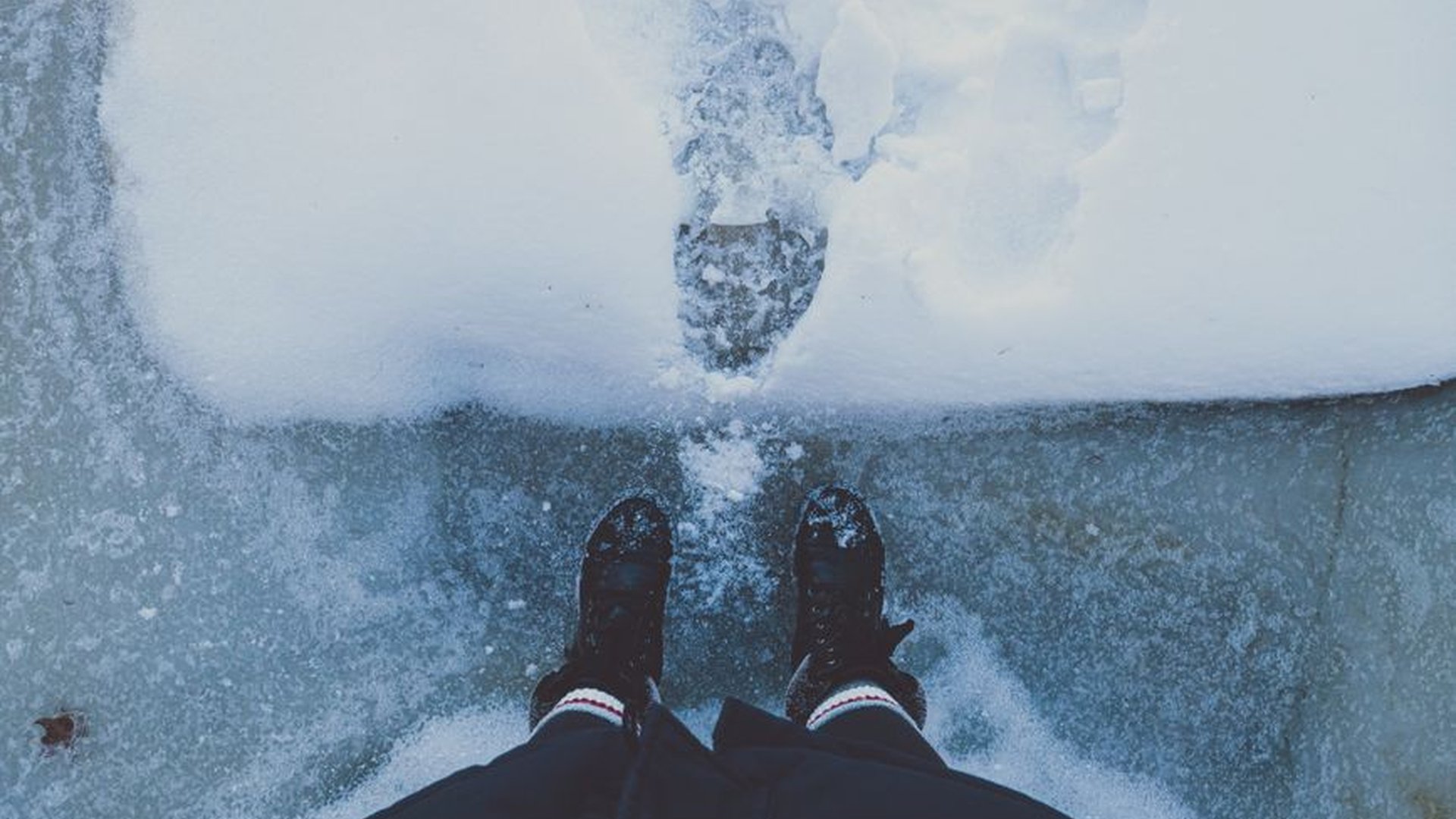
If you’ve ever stepped into a puddle on a trail in Southeast Alaska only to feel your boots fill with icy water within seconds, you know how quickly cold feet can ruin an adventure. That’s why footwear isn’t just about comfort—it’s about protection, balance, and endurance. For most expeditions, you need a two-part solution: a high-cut, insulated hiking boot paired with performance socks. The boot must have a reinforced toe, a secure heel cup, and a non-slip, multi-surface grip. Brands like Salomon, The North Face, and Merrell offer models rated for sub-zero temperatures and wet conditions. But even the best boot fails if you don’t choose the right socks. Opt for a mid-weight wool blend with extra padding in high-pressure zones—like the ball of your foot and heel. Avoid thin nylon or cotton socks, no matter how soft they feel. Wool resists moisture, resists odor, and stays warm when wet. Plan on bringing at least three pairs per trip. Rotate them daily. Let them dry overnight in your pack if they get damp. A simple change—like swapping wet boots for dry ones—can mean the difference between a smooth 10-mile trek and a painful, blistered march back to camp. And don’t underestimate the value of foot care. Pack a small first-aid kit with blister pads, foot powder, and a lightweight foot massage tool. Your feet will thank you.
Navigation and Communication Tools for Remote Adventures
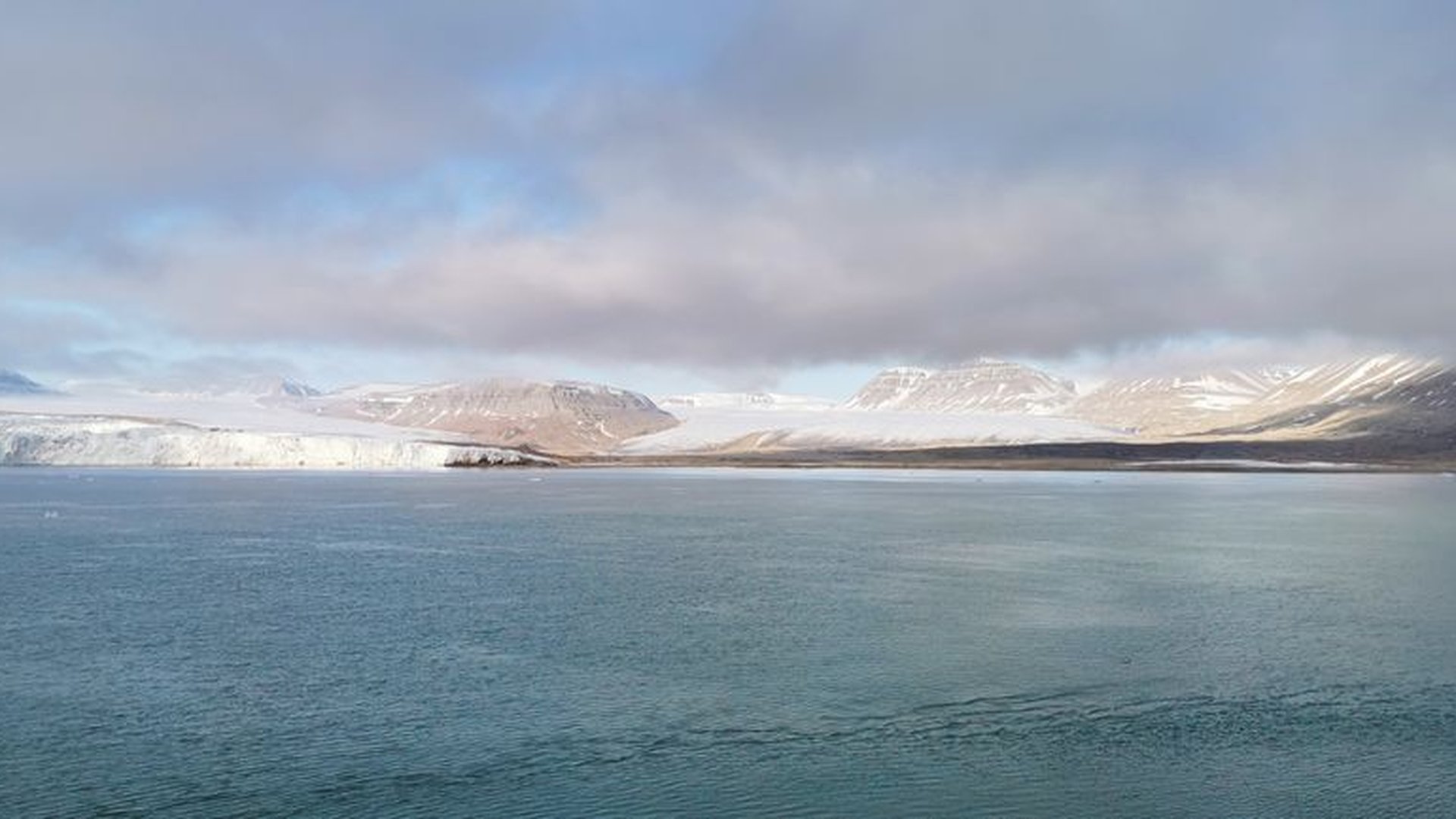
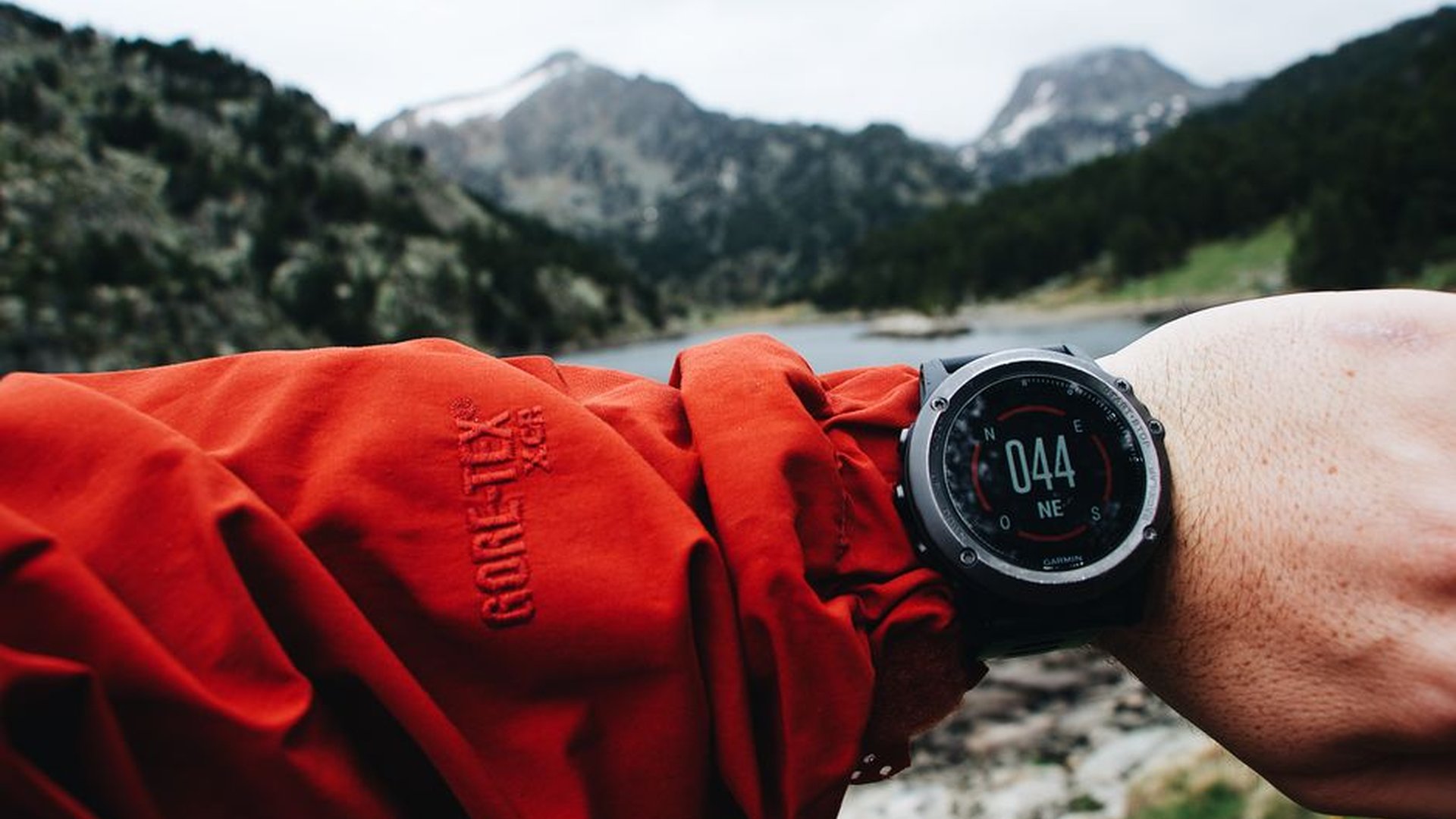
Alaska’s backcountry isn’t just beautiful—it’s vast. Think glaciers stretching for miles, deep fjords flanked by snow-capped peaks, and wilderness routes that disappear into the fog. In these remote zones, GPS signals can vanish, cell towers are nonexistent, and weather changes faster than you can click ‘next’ on a weather app. That’s why relying on your phone alone is a dangerous gamble. Instead, carry a backup navigation system. A handheld GPS device like the Garmin inReach Mini 2 offers satellite messaging and real-time tracking, even when out of cell range. It’s not just for emergencies—use it to send check-ins to family. Share your location on a map, and they’ll see your progress in real time. Pair it with a physical map and compass. Learn how to use them—yes, even in 2024, these tools still save lives. Don’t skip training. Practice using them in a park near you before you go. Also, bring a fully charged power bank with at least 20,000mAh capacity. Sunlight, cold, and battery drain all work against you. A dead phone becomes useless, not just a phone. And if you’re planning to float down a river like the Chena River near Fairbanks, bring a waterproof, floating emergency beacon. It’s not overkill—it’s peace of mind.
Camp Essentials That Keep You Safe and Warm in the Wild
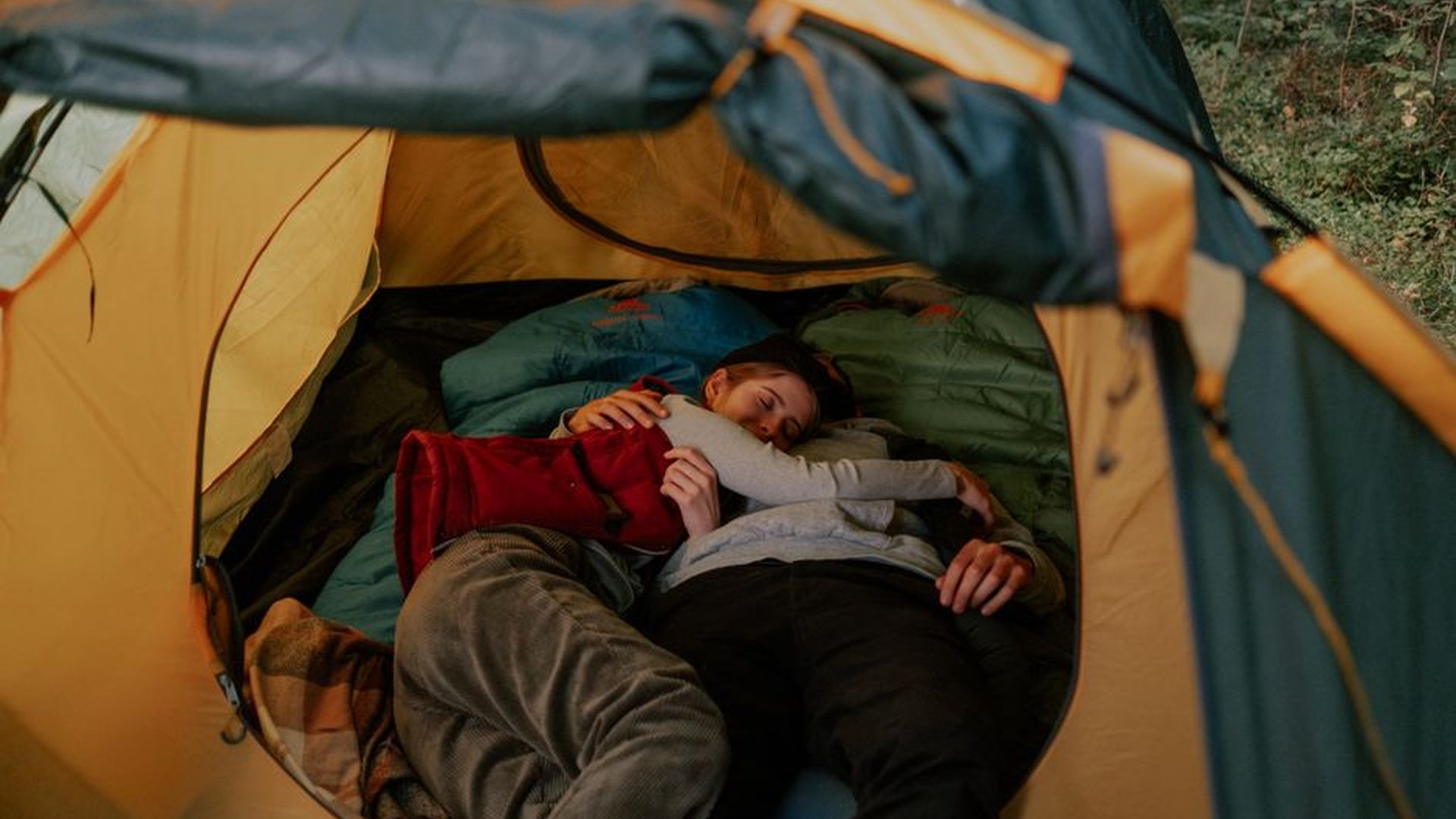
Nightfall in the Alaskan wilderness isn’t just a time to rest. It’s when the temperature drops, the wind rises, and your camp becomes your entire world. That’s why your tent, sleeping bag, and camp stove aren’t luxuries—they’re survival tools. Start with a four-season tent. These aren’t the lightweight backpacking models. They’re built for heavy snow loads, wind resistance, and storm storms. A tent like the MSR Snowshoe or the Hilleberg Kampa offers superior weather protection and durability. Inside, your sleeping bag must be rated for at least -20°F (-29°C). Down bags are ideal for dry, cold weather. If you’re more likely to face damp snow and rain, go for a high-quality synthetic fill instead. These don’t lose insulation when wet. Pair it with a foam sleeping pad for insulation from the cold ground. Never sleep directly on the snow. And for cooking? Use a portable, windproof stove like the Jetboil Flash. It boils water in under 2 minutes—even in 20-mile-an-hour winds. Boil water for coffee, meals, and hot soup. That routine becomes a ritual. It warms your body, calms your nerves, and reminds you you’re not just surviving—you’re thriving in one of the world’s most remote corners of nature.