Sarajevo’s Growing Appeal: Key Reasons to Visit
The Heartbeat of the Balkans: A City of Many Worlds
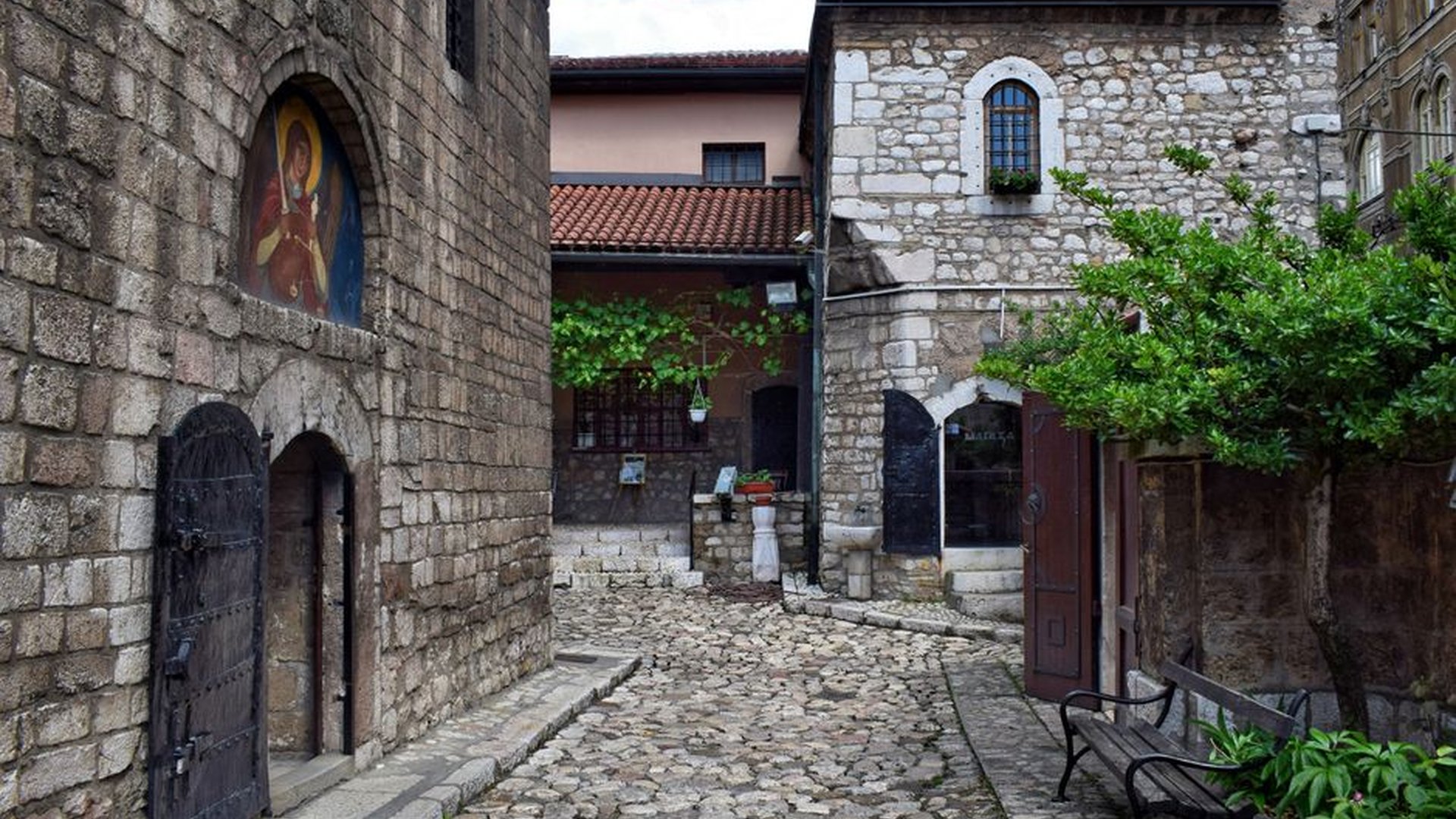
Tucked into the rolling hills of Bosnia and Herzegovina, Sarajevo isn’t just a capital city—it’s a living museum of cultures, religions, and histories. As you walk through the cobbled streets of the old town, you’re not just strolling through stone corridors; you’re stepping through centuries of coexistence. A minaret rises beside a church spire. The scent of burek mingles with the aroma of coffee from a centuries-old café. This isn’t a clash of civilizations—it’s a harmony shaped by tolerance and resilience. For travelers who crave authenticity over postcard perfection, Sarajevo offers a rare kind of truth: a place where differences don’t divide, but deepen the beauty.
The city’s roots run deep, with traces of Roman and Ottoman rule, but it was in the 20th century that Sarajevo truly became a global story. As the first capital city to host the Winter Olympics in Southeast Europe, it stood under the world’s spotlight in 1984. And when the siege of 1992–1996 ended, the city didn’t vanish—it rebuilt, not to erase the past, but to carry it forward with pride. Today, that spirit remains palpable. You can still walk the same paths that were patrolled by soldiers and journalists, but now, they’re lined with laughter, music, and the vibrant hum of daily life.
Where History Breathes: From Streets to Stories
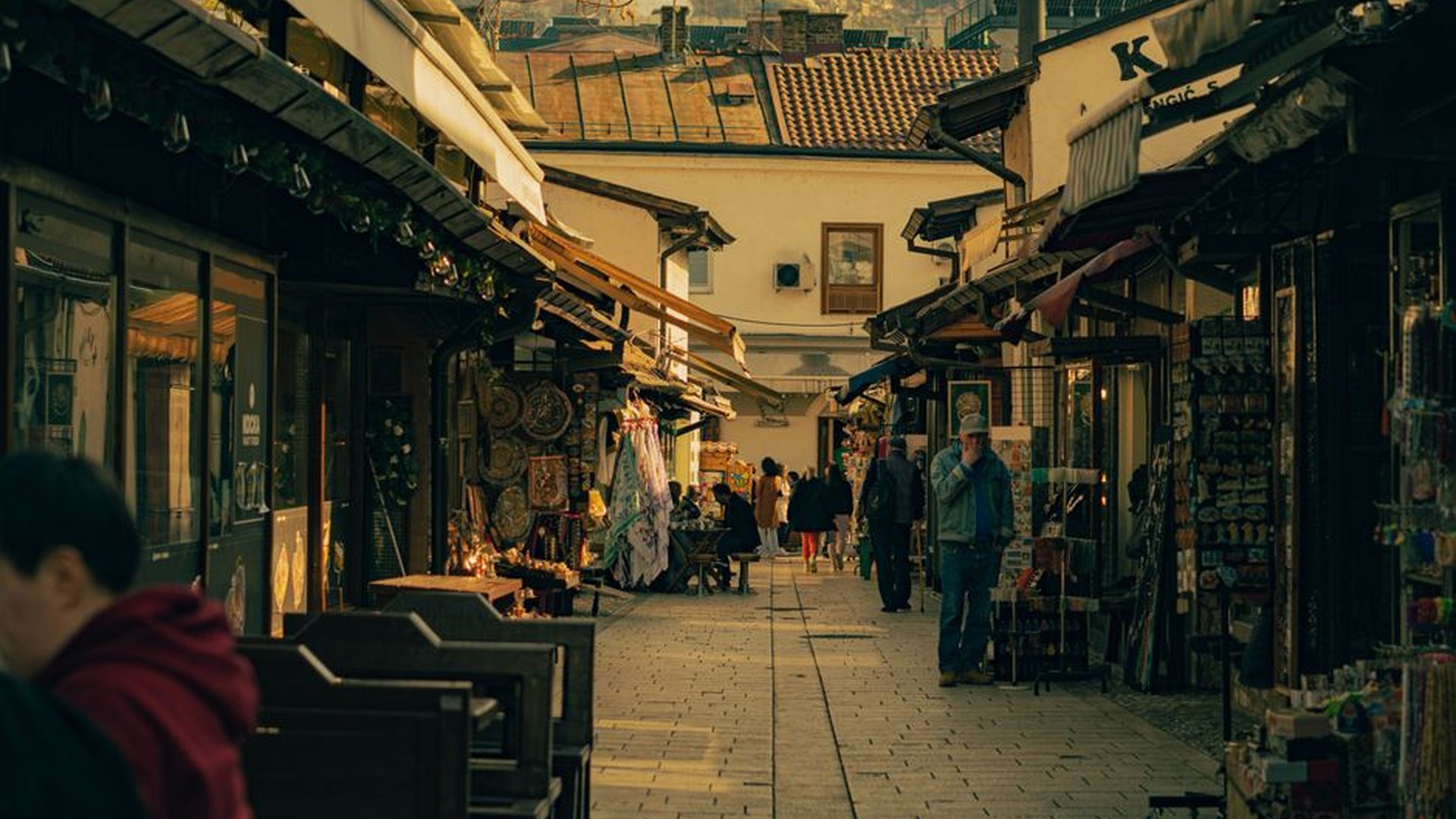
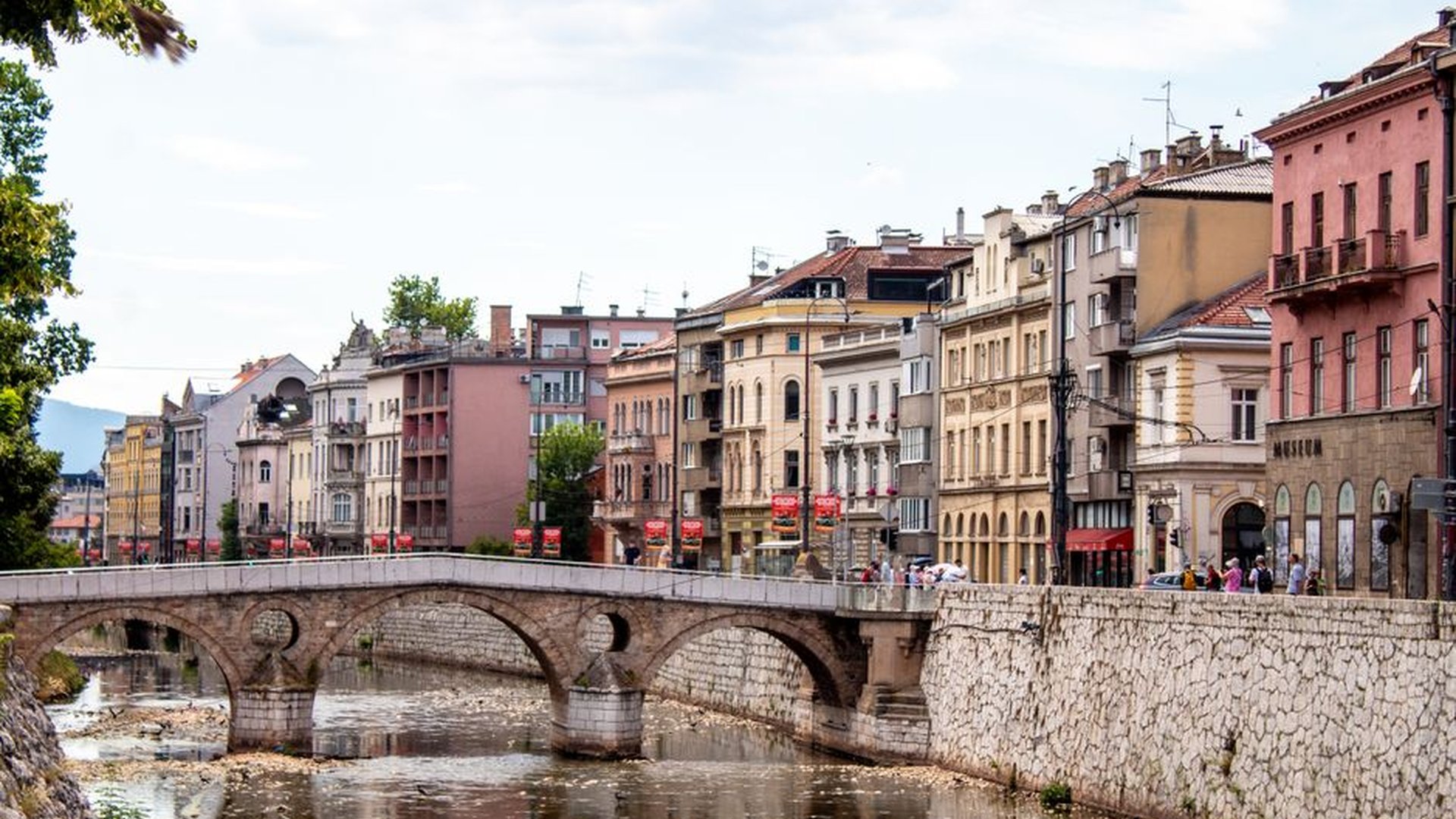
Sarajevo’s true power lies in how it tells its story—through its streets, its buildings, and its people. The Latin Bridge, where Archduke Franz Ferdinand was assassinated in 1914, still stands, not as a monument to war, but as a quiet reminder of how fragile peace can be. But it’s not all solemn. The city’s central market, Baščaršija, is a kaleidoscope of color and sound. Vendors sell handwoven rugs, fresh herbs, and plates of ćevapi—grilled minced meat on flatbread. It’s not a performance. It’s real. And that authenticity is exactly what draws so many.
One visit to the Sarajevo Tunnel Museum will leave you awestruck. Not because of the architecture—it’s a narrow, dimly lit passage—but because of what it represents. Built under the city during the siege, it connected isolated neighborhoods and became the lifeline for food, medicine, and even children being smuggled out. Today, visitors walk through it, not as tourists, but as witnesses. The sound of footsteps echoes down the tunnel, and for a moment, you feel the weight of those who once fought just to survive.
Culture as a Living Language
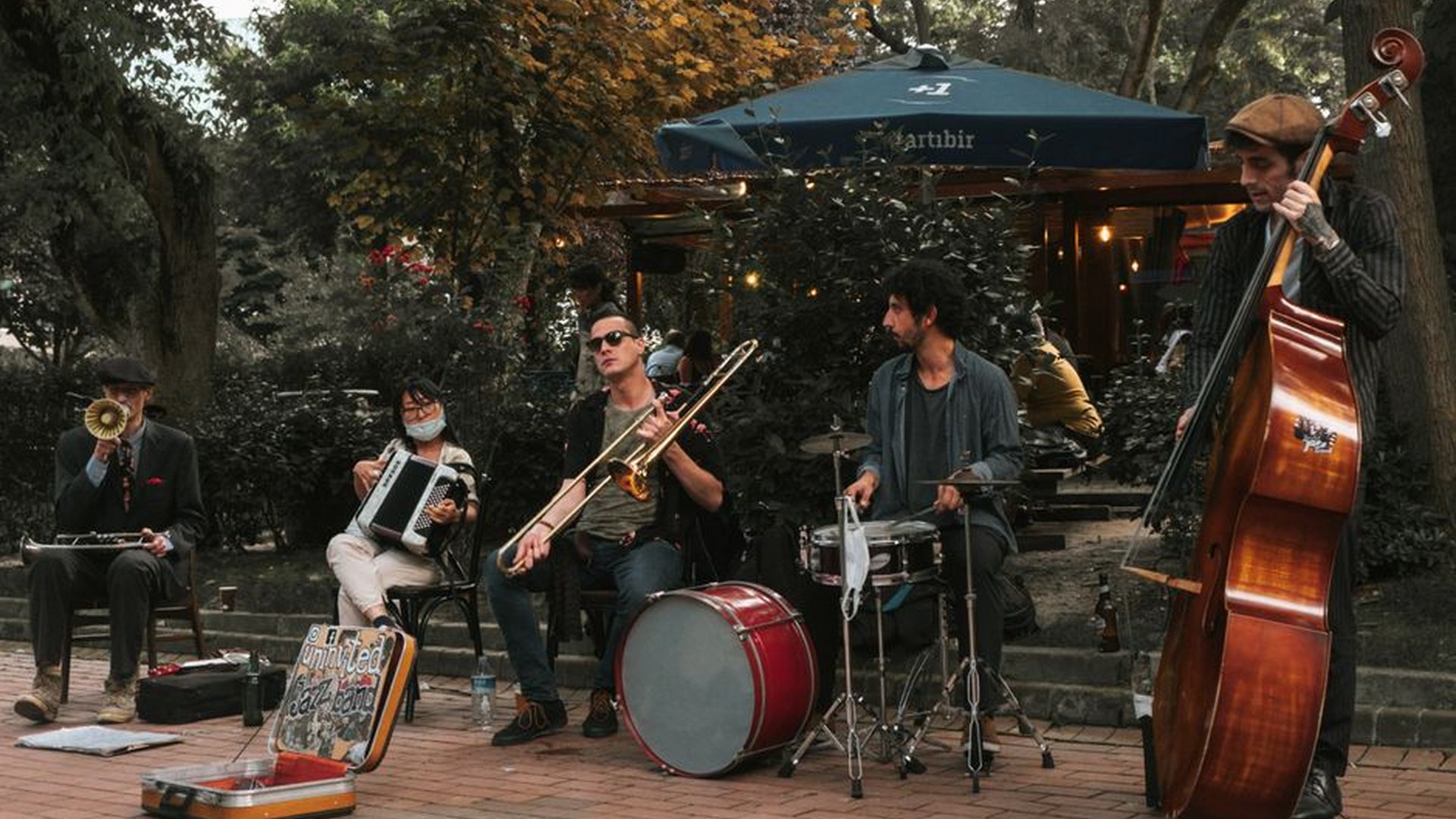
Sarajevo doesn’t just preserve culture—it lives it. The city’s music scene thrives. On summer evenings, you’ll find open-air concerts in the National Theater Square, where jazz groups play under the stars and young poets recite verses in Bosnian, Serbo-Croat, and even English. The Sarajevo Film Festival, held annually since 1995, has become a beacon for emerging filmmakers from across the Balkans and Eastern Europe. It’s not a tourist trap—it’s a true artistic moment.
And then there’s the food. You don’t eat in Sarajevo—you participate. At a local kafana (a traditional coffeehouse), you’ll be served ćevapi with a side of stories. The owner might tell you how his grandfather used to prepare the same recipe in wartime, or how they use wood-fired grills made from old olive trees. These aren’t gimmicks. They’re conversations. And they’re exactly what travelers are looking for: not just a meal, but a moment.
Hidden Gems: Nature, Mountains, and Magic
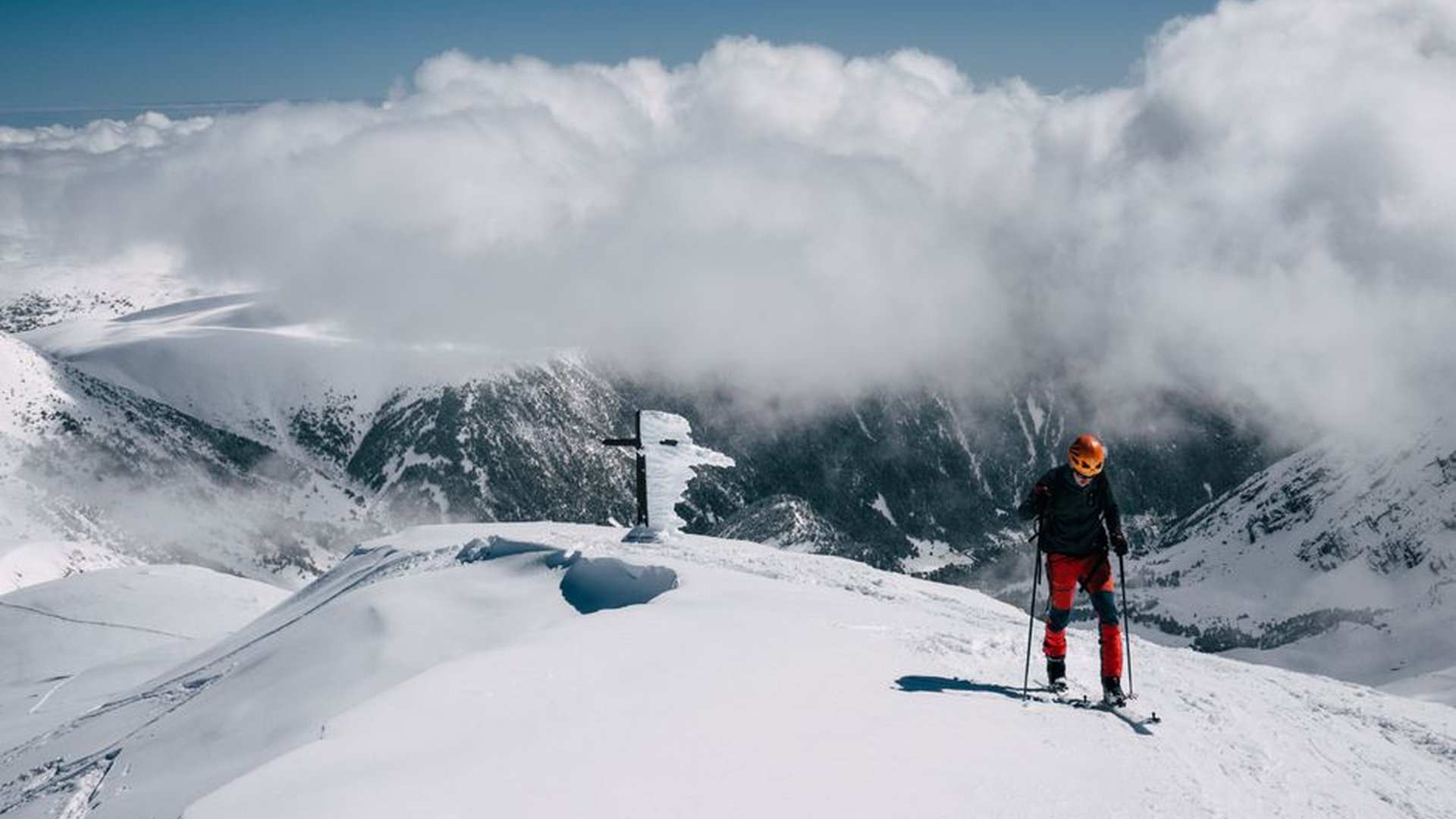
Beyond the city’s soul, Sarajevo is a gateway to adventure. Just a 30-minute drive from the city center, the Bjelašnica Mountains rise like ancient sentinels. In winter, they host world-class skiing—Sarajevo’s Olympic ski runs are still in use, and the views from the top of the Kozja Glava trail are nothing short of dramatic. But even in summer, the area offers hiking, mountain biking, and peaceful alpine lakes.
One of the most moving experiences is visiting the Vrelo Bosne Spring, the source of the Bosna River. A short walk from the city, it’s a quiet, green sanctuary surrounded by willows and stone paths. Locals come here to reflect, and tourists often stop to sit by the water, take a breath, and just listen. It’s not on every tour itinerary, but it’s exactly what makes Sarajevo unforgettable.
Why Travelers Are Choosing Sarajevo Now
More people are choosing Sarajevo not because it’s trendy, but because it feels real. In an age where travel often feels curated and artificial—where you’re expected to like every spot on Instagram—Sarajevo stands out. It doesn’t need to be perfect. It doesn’t hide its scars. It wears its history openly, but it does so with warmth. It’s a city that celebrates survival, not just survival, but joy.
For the 25-to-45-year-old traveler, this matters. You’re not just looking for a place to check off a list. You want to feel something. You want to walk through a market where a woman hands you a piece of baklava and says, ‘This is made with love,’ and you believe her. You want to sit in a café where the owner speaks five languages and knows your name after your second visit. You want a city that isn’t trying to be anything other than itself.
Sarajevo offers all of that—and more. It’s not a weekend getaway. It’s not a cruise stop. It’s a journey. And if you go, you might just leave a little changed.