As the plane slowly descended at Thessaloniki International Airport, I pulled my coat tighter around my neck. Early spring in Greece still carried a touch of chill, but the excitement in my heart had already begun to warm my first impression of this unfamiliar city. I had no fixed itinerary, no dense list of attractions to check off—just a desire to wander alone, using my feet and eyes to measure this city on the northern edge of the Aegean Sea, steeped in millennia of history.
Leaving the airport, I headed toward the city center along the coastline. The taxi weaved through undulating streets, past olive trees and pastel buildings. The driver, a warm-hearted middle-aged man, chatted enthusiastically about the city’s local culture. I could only understand about a third of what he said, but the Mediterranean fervor was unmistakably contagious.
First Encounter with the White Tower
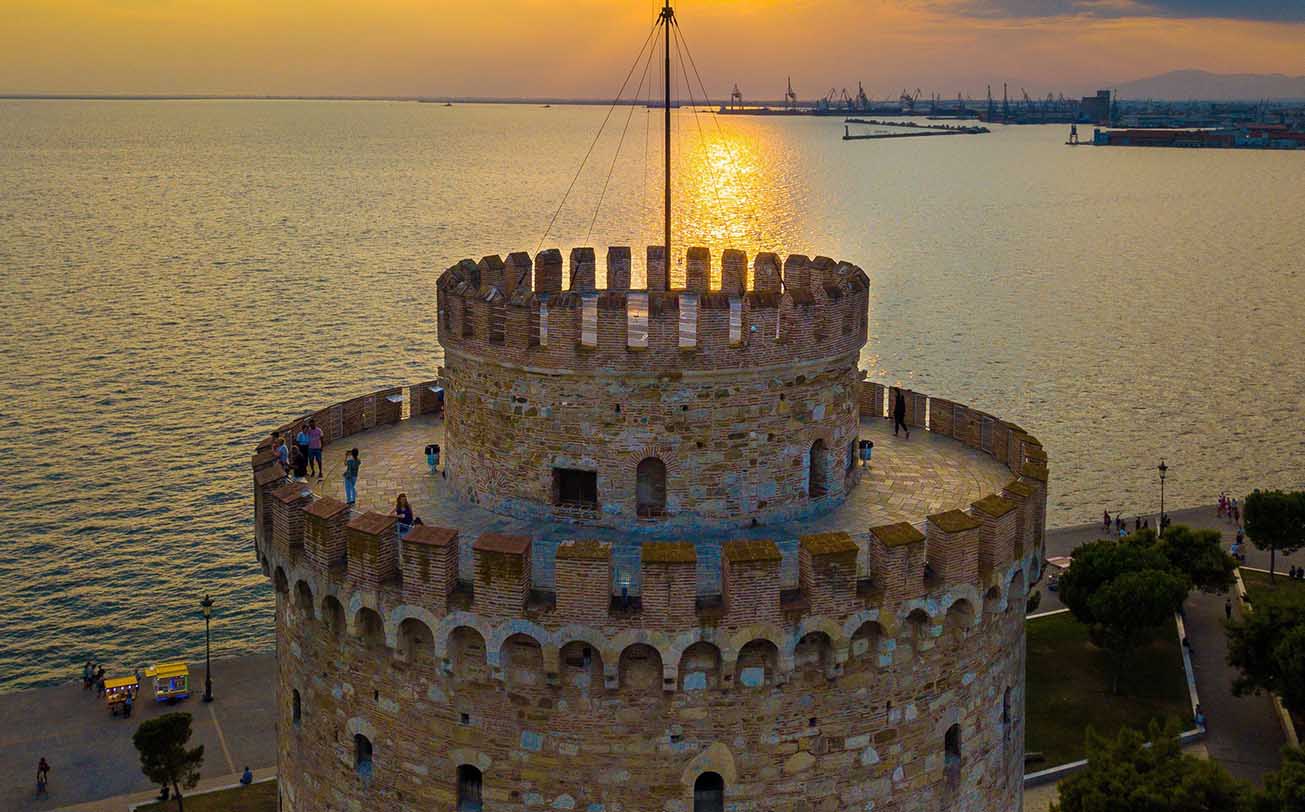
I asked the driver to drop me off right in front of the White Tower. This iconic structure is Thessaloniki’s landmark and perhaps its most silent guardian. The tower isn’t truly white—its stone façade, weathered by time and sea wind, glows a gentle beige in the sunlight, as if cloaked in the dust of history. Pigeons fluttered around its base, and a street musician played a slow, wistful tune nearby, adding a soundtrack to the moment.
Originally built by the Ottoman Empire for military defense, the White Tower was later used as a prison, and eventually transformed into a city museum. Its stone walls seem to exude solemnity, carrying the weight of countless stories. Standing beneath it, I imagined hearing whispers from former prisoners and the steady march of sentries echoing up the tower’s core. Beside the tower is the Aegean Sea, stretching wide and shimmering under the sun. The sea breeze brushed my cheeks, salty and tinged with the scent of time and far-off lands.
I bought a ticket and slowly ascended the tower’s spiral staircase. Each level houses exhibits that narrate the city’s journey from ancient Greece to Byzantium, from the Ottomans to modern Greece. I lingered at each floor, reading placards and gazing at artifacts—rusted swords, faded manuscripts, old photographs. As I climbed, it felt like turning the pages of a weighty historical tome, until finally reaching the top. The view opened up before me—rolling mountains and rooftops in the distance, and rippling waters nearby. A boat glided past, slicing a silver line through the sea. The wind grew stronger, and I instinctively clutched my camera, afraid the moment might slip away.
Strolling the Waterfront Promenade
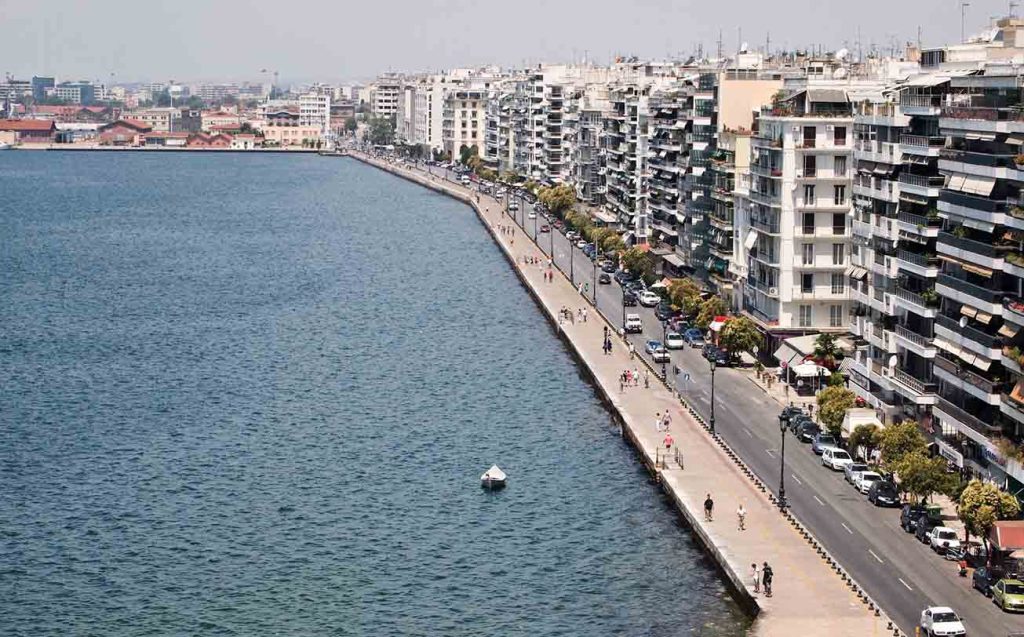
After descending from the tower, I didn’t leave right away. Instead, I began a slow walk along Leoforos Nikis, Thessaloniki’s most famous seaside promenade. On one side stretched the vast sea, endlessly blue and calmly breathing; on the other, bustling cafés, bookstores, and balconies adorned with potted flowers. Sunlight cast diagonal beams onto the water, creating flickers like scattered silver coins dancing with the tide.
Joggers and cyclists passed me by. Their ease infected me, and I let go of my traveler’s formality. I wandered slowly, even somewhat entranced. The occasional seagull cried overhead, and the rhythm of footsteps, wheels, and waves formed a quiet symphony. It was a stroll with no destination—just a quiet connection between my body and this foreign land, a way to feel its pulse beneath my feet.
I stopped at an outdoor café and ordered a Greek iced coffee—frappé. A daily ritual for locals, it was strong and chilled, with a hint of creaminess that lingered on the tongue. I sat quietly, watching the sea and observing passersby. A group of young students joked as they walked past; an elderly man walked his dog slowly and deliberately, as though savoring every moment. The city’s pace was unlike any European city I’d known—neither the elegant complexity of Paris nor the boisterous intensity of Rome. Instead, it was slow, steady, and deeply rooted in its own rhythm—calm, unapologetically authentic, and quietly resilient.
Turning into the City’s Texture
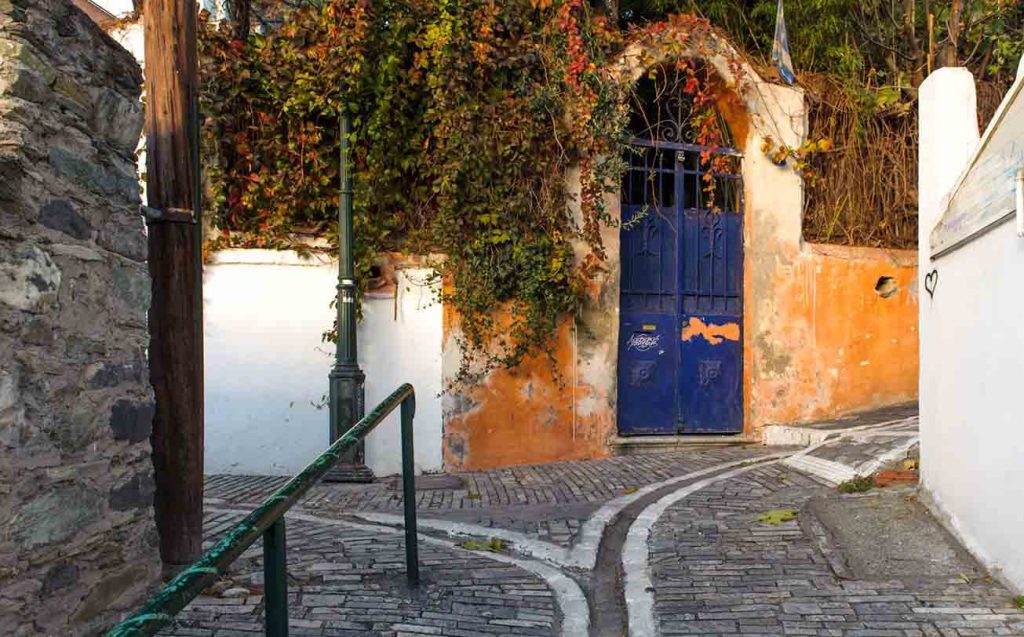
Leaving the seafront, I turned into a random alley. Thessaloniki’s streets have depth—some sloping gently, others climbing abruptly, interwoven with Byzantine churches, vibrant street art, and aging apartment blocks with peeling paint and sun-washed shutters. Stray cats lounged on low stone walls, and the scent of grilled meat wafted from a nearby taverna.
Passing through the Athenian Quarter, I entered the old city—Ano Poli. A relic from Byzantine times, it is also the highest point in the city. Weathered walls, winding stone paths, and red-tiled roofs radiated an ancient warmth. Everything seemed to whisper of a long, layered history, yet life carried on with an easy familiarity. Local women chatted across balconies while laundry danced in the breeze above the alleyways.
I passed a small church where a wedding was underway. The couple wore traditional attire—embroidered linens and golden accents—and the church entrance was adorned with olive leaves and white petals. Children darted about, laughing brightly, while old men sat nearby, watching quietly with soft smiles. I stood to the side, quietly observing. I didn’t raise my camera; I simply wanted to etch this moment into my memory like a secret.
Further along was a viewing platform overlooking the city. Sunlight broke through clouds, and the city spread out like an ancient map etched in gold. The coastline traced a gentle arc, and in the distance, the White Tower stood like a punctuation mark—reminding me where the journey began. It felt like a visual sigh, a moment of stillness and recognition that this place had quietly, inevitably, become part of me.
Sunset at the White Tower
By the time I returned to the White Tower, the light had begun its slow retreat into the horizon. It was dusk, and the once-warm sea breeze had taken on a cooler, sharper edge, brushing against my skin like a whispered goodbye to the day. The sky, once crisp and blue, had begun its transformation—first tinged with pale gold, then deepening into vibrant hues of orange, amber, and crimson. The grassy area in front of the tower gradually filled with life. Locals arrived in twos and threes, settling down casually with snacks or guitars. A young man strummed soft melodies under an olive tree, while children chased each other in carefree circles. Nearby, couples leaned into each other on the stone steps, their quiet laughter blending into the hum of the evening.
I found a quiet corner on the low wall near the tower and sat down, tucking my coat tighter around me. From my bag, I pulled out a small notebook—creased and worn from other trips—and began scribbling fragments of the day. Names of cafés, sketches of narrow alleyways, words like “sunlight,” “frappé,” and “cobblestones.” The act of writing felt like anchoring memories before they drifted away. Mid-sentence, something in my peripheral vision tugged at my attention. I looked up to see a brilliant red glow seeping across the horizon—the sun, in its final descent, was beginning to melt into the sea.
There was no announcement, no orchestrated moment. The sunset arrived not like a climax, but like a secret shared only with those who bothered to notice. Slowly, silently, it slipped downward, casting the sea in a shimmering coat of orange-gold. The water, now a mosaic of light and reflection, moved with a languid grace. Everything was awash in softness—the voices, the wind, even time itself seemed to slow. In that moment, the White Tower—so often seen as a sentinel of history—shed its solemnity. It became something gentler, almost human, like a wise and benevolent elder who had seen many sunsets and found peace in each one.
A Nighttime Stroll Home
Night fell, and city lights shimmered to life. The White Tower looked even more dignified and mysterious under the glow. I didn’t return to the hotel right away. I kept walking along the coast. Street vendors had set up stalls selling hot chestnuts and grilled corn. A street musician sang Greek folk songs, his voice wistful and lingering.
I bought a bag of chestnuts and leaned on the railing by the sea, watching ships navigate the night. The warmth in my hand and the calm in my heart reminded me that Thessaloniki would never occupy my memory as loudly as Paris or London. Instead, it would take root quietly, surfacing gently in the twilight of future days.
Solo travel isn’t lonely, especially in a city like this. It feels like a gentle friend—not one that rushes to embrace you, but one that waits patiently. If you’re willing to slow down, it will always meet you around the corner with quiet warmth.
On the day I left Thessaloniki, I didn’t visit more attractions or climb the White Tower again. I simply walked once more along that familiar shoreline. The flow of people, the scent of coffee, the cry of seagulls—everything felt so familiar, like reliving an old dream.
The sun set once again, and I watched it slowly sink beneath the horizon. I couldn’t help but smile. The most beautiful encounters in travel often aren’t the planned ones, but those moments when you turn around by chance—like that sunset, and that silent reunion beneath the White Tower.