Traveling to Reykjavik opens the door to one of the most captivating landscapes on Earth—crimson lava fields, steaming geysers, and the northern lights dancing across a midnight sky. Whether you’re chasing the aurora borealis or hiking through glacial valleys, your journey begins with the right flight. This guide breaks down the best routes, smart booking strategies, and trusted platforms to turn your dream trip into reality.
Best Direct and Connecting Routes to Reykjavik
When planning flights to Reykjavik’s Keflavík International Airport (KEF), understanding the main flight paths is key. The most frequent and often most economical routes originate from major North American and European hubs. If you’re based in the U.S., direct flights are available from New York (JFK), Boston (BOS), and occasionally from Chicago (ORD) and Seattle (SEA). For travelers in Europe, Icelandair and WOW Air (now part of Icelandair’s network) provide seamless connections from London (LHR), Amsterdam (AMS), and Frankfurt (FRA).
The most popular route for U.S. travelers is the transatlantic flight from New York to Reykjavik, averaging around 6 hours and 30 minutes. This flight offers a rare opportunity to cross the Atlantic without an overnight layover, which makes it ideal for travelers with limited vacation time. Moreover, the timing of these flights often aligns with your body’s natural rhythm—departure in the morning, arrival at sunset, maximizing the use of your first full day in Iceland.
For those open to a connecting flight, budget carriers like Norwegian Air and Eurowings often offer lower fares via cities like Copenhagen or Manchester. While adding 8 to 12 hours to your journey, these options can save up to 40% compared to direct flights. However, it’s important to factor in additional costs like checked baggage and airport transfers, which are not always included in the base fare.
When to Book: Timing Tips for the Best Fares
The timing of your booking can have a dramatic impact on your budget. Based on airfare data from the past five years, the sweet spot for booking flights to Reykjavik is typically between 2 to 3 months before departure. Flights booked too early—more than 6 months ahead—are often priced higher due to demand forecasting, while last-minute bookings can cost 30% more than average due to scarcity.
One of the most effective strategies is to monitor fare changes on specific days. Airlines often release tickets on Tuesdays and Wednesdays, and prices tend to rise by the end of the week. Booking between Tuesday 10 AM and Thursday 2 PM Eastern Time gives you a higher chance of catching a promotional fare. Additionally, flyers who use incognito mode while searching tend to see fewer price hikes—though this isn’t guaranteed, it’s a simple habit worth adopting.
Seasonal timing also plays a role. The peak travel months—June through August—see heavier demand and higher prices, especially for flights departing from major U.S. cities. If you’re flexible, consider traveling in late spring (May) or early autumn (September). During these shoulder months, you’ll enjoy lower fares, milder weather, and a better chance of seeing the northern lights, which are most visible from late September through mid-March.

Top Booking Platforms: Where to Find Reliable Deals
With so many airlines and travel sites vying for attention, it’s easy to get overwhelmed. Here are three trusted platforms that help you find verified, competitive options:
Icelandair’s official site offers not only direct flights but also seamless connections to thousands of destinations through its global network. One standout feature is their “Fly & Stay” package, which bundles flight and hotel stays for up to 20% off. These packages are ideal for first-time visitors, as they include airport transfers and priority boarding—small details that make a big difference on arrival.
Google Flights is another go-to for price tracking and route comparison. Use the “Explore” tab to discover nearby departure cities. For example, a search from Boston to Reykjavik shows that flying from Manchester, UK (in addition to direct U.S. routes) could save $200. The calendar view shows the cheapest days to fly—often mid-week, like Tuesday or Wednesday—helping you optimize both cost and schedule.
Kayak’s “Explore” and “Price Forecast” tools are particularly useful. For a given departure city, the platform predicts whether prices are likely to rise or fall in the next 14 days. In one real user case from Minnesota, a traveler used the forecast to delay a purchase by three days, eventually securing a $350 flight for a solo trip—saving over $100 compared to the initial quote.

What to Expect Upon Arrival in Reykjavik
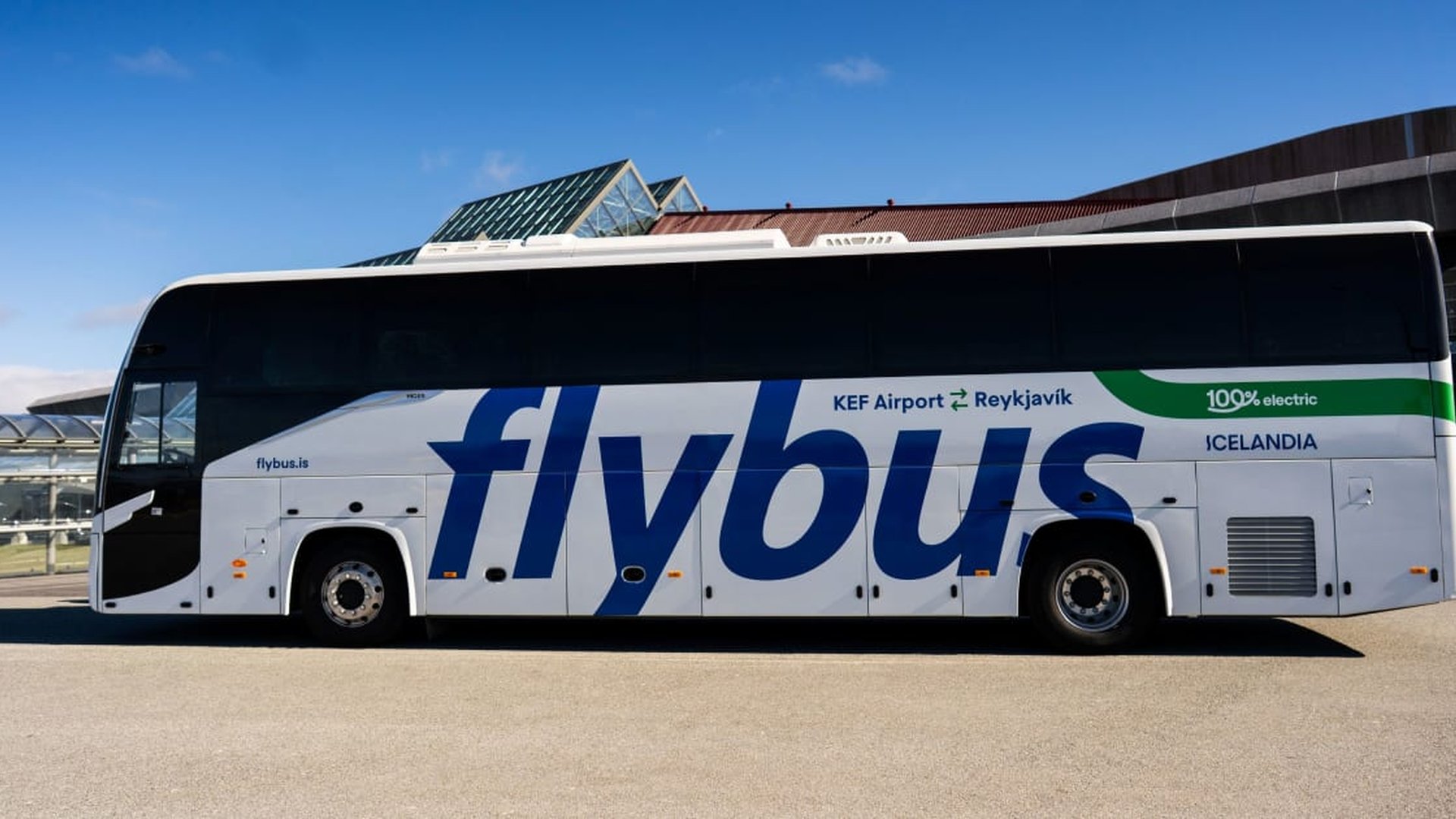
Your journey isn’t over once you land. Keflavík International Airport (KEF) is located 50 kilometers south of the city, about a 45-minute ride via shuttle or taxi. All major airlines offer prepaid shuttle services, which are often cheaper than a standard taxi. For budget-conscious travelers, the blue-colored Flybus operates every 30 minutes and costs just $25 round-trip. It drops passengers at the city’s main bus stop, close to the Reykjavik City Hall, making it easy to walk to most central accommodations.
Upon arrival, you’ll immediately notice the crisp, clean air and the quiet hum of nature. The airport itself is small and efficient—no long security lines, no confusing terminals. But don’t overlook the local touch: free Wi-Fi, a gift shop filled with Icelandic wool hats and lava rock souvenirs, and a cozy café serving fresh rye bread and hot chocolate. These small details can turn a long flight into a warm welcome.
Pro Tips for a Smooth Iceland Trip
To make the most of your Reykjavik visit, consider a few extra steps before your flight. First, apply for the Iceland Travel Authorisation if you’re not from the EU, EEA, or Switzerland—this is free and takes less than 10 minutes online. Second, invest in a travel insurance policy that covers winter hiking, geothermal activity, and weather-related cancellations. Iceland’s weather is famously unpredictable—what’s sunny at departure can become a snowstorm by evening.
Lastly, pack smart. Bring layers—especially a waterproof, windproof jacket. The weather changes quickly, and you’ll want to be ready to explore the Skaftafell National Park or the Blue Lagoon without getting caught off guard.
With the right flight, smart booking, and thoughtful prep, your journey to Reykjavik isn’t just a vacation—it’s the beginning of an unforgettable story.