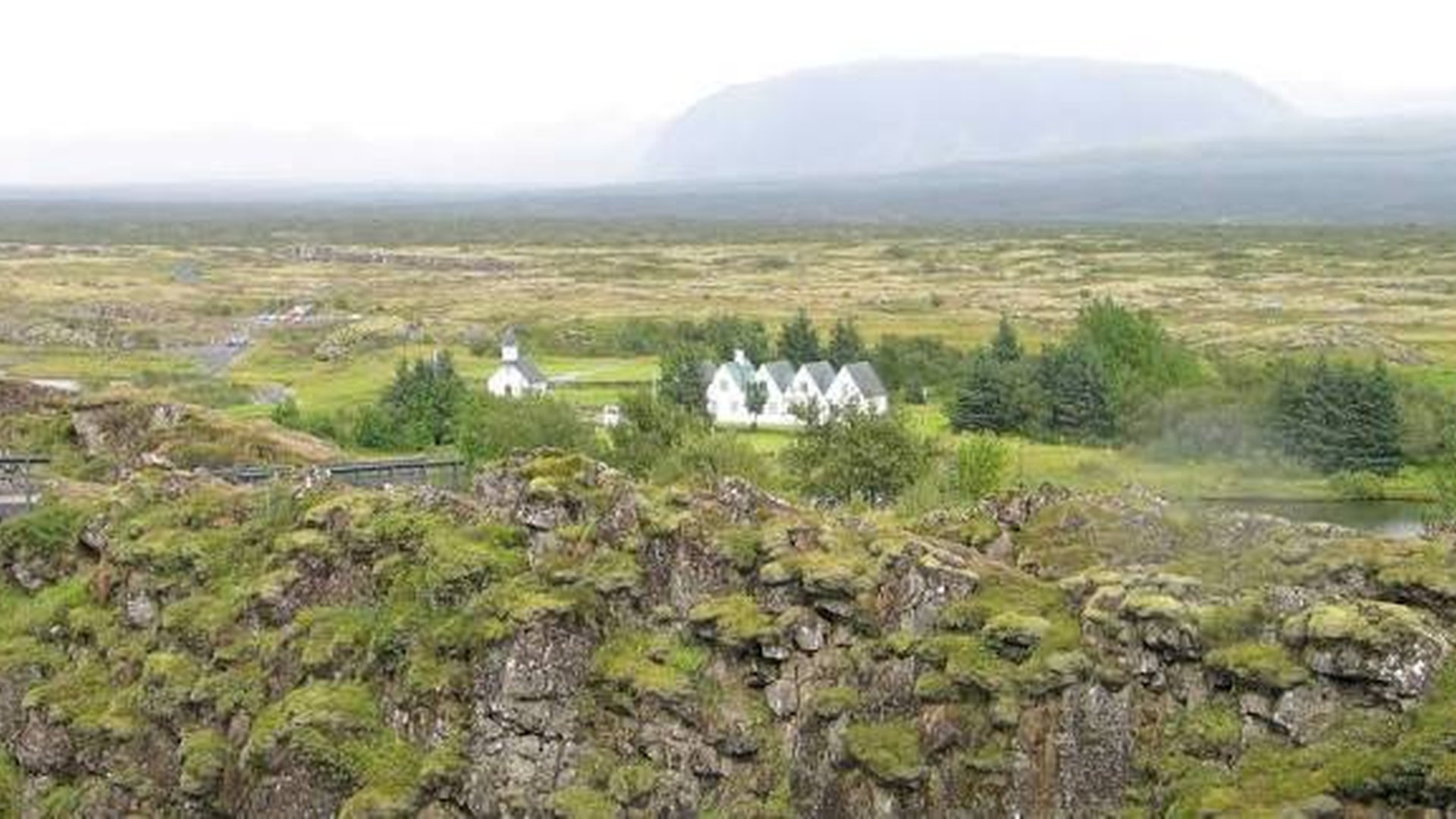
Chasing the northern lights: my 7-day Icelandic adventure began not with a plan, but with a longing. I’d spent years scrolling through photos of midnight skies swirling with green ribbons, and I knew one day I had to stand beneath them. That day arrived in late September, when I booked a one-way flight to Reykjavík, a rusty rental car, and a heart full of quiet anticipation. The dream wasn’t just to see the aurora—it was to live inside it.
The First Light: Reykjavík to the Golden Circle
My journey started in the capital, a city with a coffee shop on every corner and a pulse that hummed like a quiet, urban lullaby. I picked up my compact SUV at the airport, packed with maps, a thermos of hot chocolate, and a list of must-see places. The first stop was the Golden Circle, a loop that cradles Iceland’s most iconic geothermal wonders. I drove through valleys dusted in autumn gold, past black basalt cliffs and fields of moss like velvet carpets. At Þingvellir National Park, I stepped between tectonic plates—the North American and Eurasian plates—on a walkway that felt like striding across the edge of the world. The air was crisp, and as I stood there, I felt both tiny and infinite.
Nearby, at Geysir, a plume of superheated steam erupted from the earth like a geyser of light. The Hot Spring in Haukadalur shimmered under low sun, its waters a mix of sulfur and mystery. I was already hooked—this wasn’t tourism. It was communion.
Glacial Whispers: The South Coast’s Power
I left the Golden Circle behind and headed south, where Iceland’s wild soul truly unleashed itself. The road narrowed into a ribbon of black gravel, winding along the coast with the North Atlantic crashing into cliffs below. Every few miles, a new waterfall leapt from the rock face—Gullfoss, with its two-tiered drop like liquid thunder, and Seljalandsfoss, where I walked behind the curtain of water and felt the spray on my skin like a whisper from the earth.
The real revelation came at Skógafoss, a 60-meter waterfall that poured like a silver rope into a misty gorge. I climbed the 700 steps to the viewing platform and stood breathless, not from the climb, but from the sheer force of nature. The air vibrated. I could feel the rush in my chest, as if the mountain was alive and exhaling.
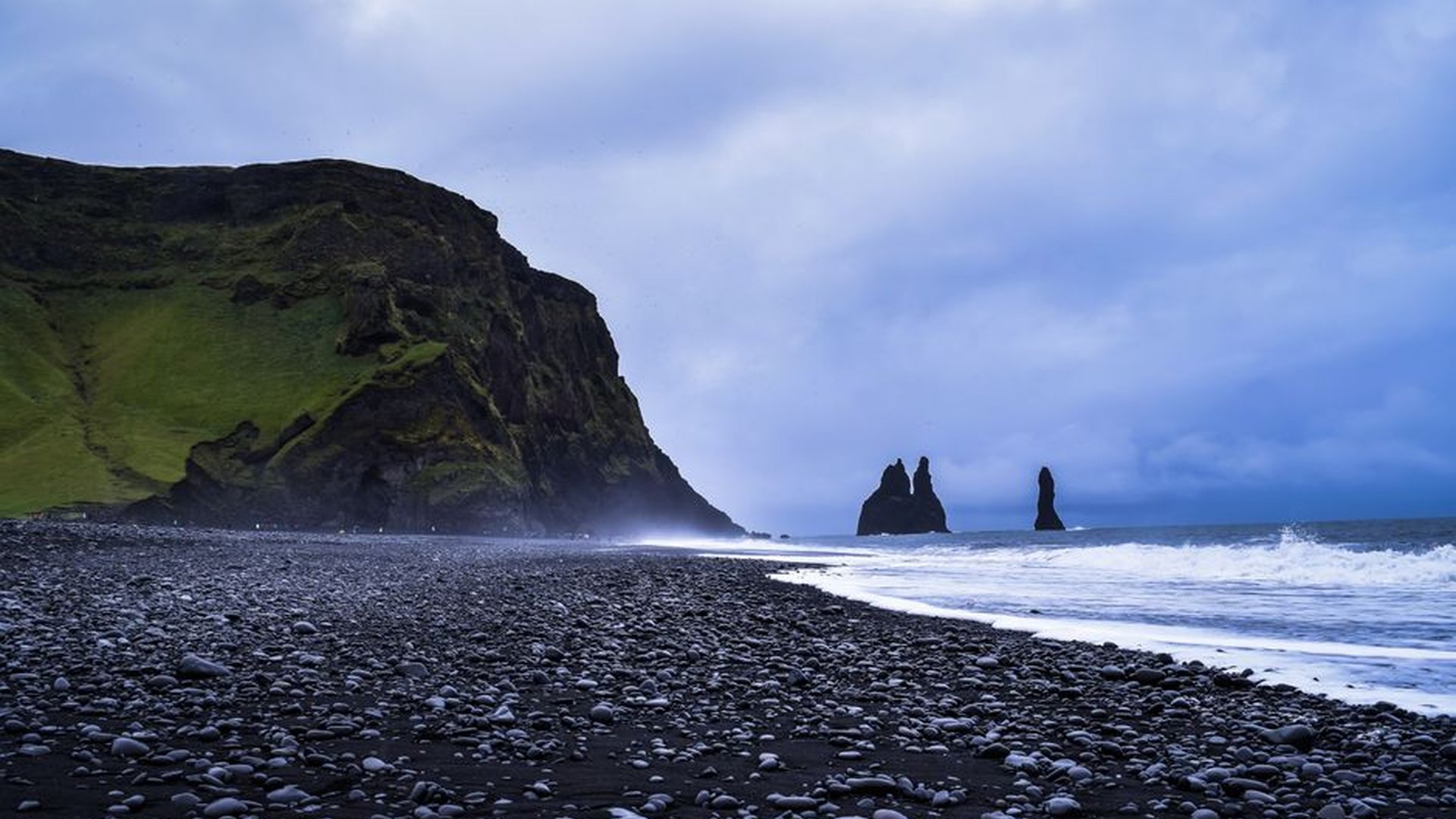
That night, I camped near Vík, a tiny village perched on the edge of a black sand beach. I had barely tied down the tent when a sharp pink haze flickered across the northern sky. I thought it was a dream. I stepped outside, snowflakes on my jacket, and saw it—green ribbons moving across the dome of the sky in slow motion, like silk being pulled through darkness. My skin tingled. I was not just watching the aurora. I was inside it.
Driving Into the Unknown: The Highlands
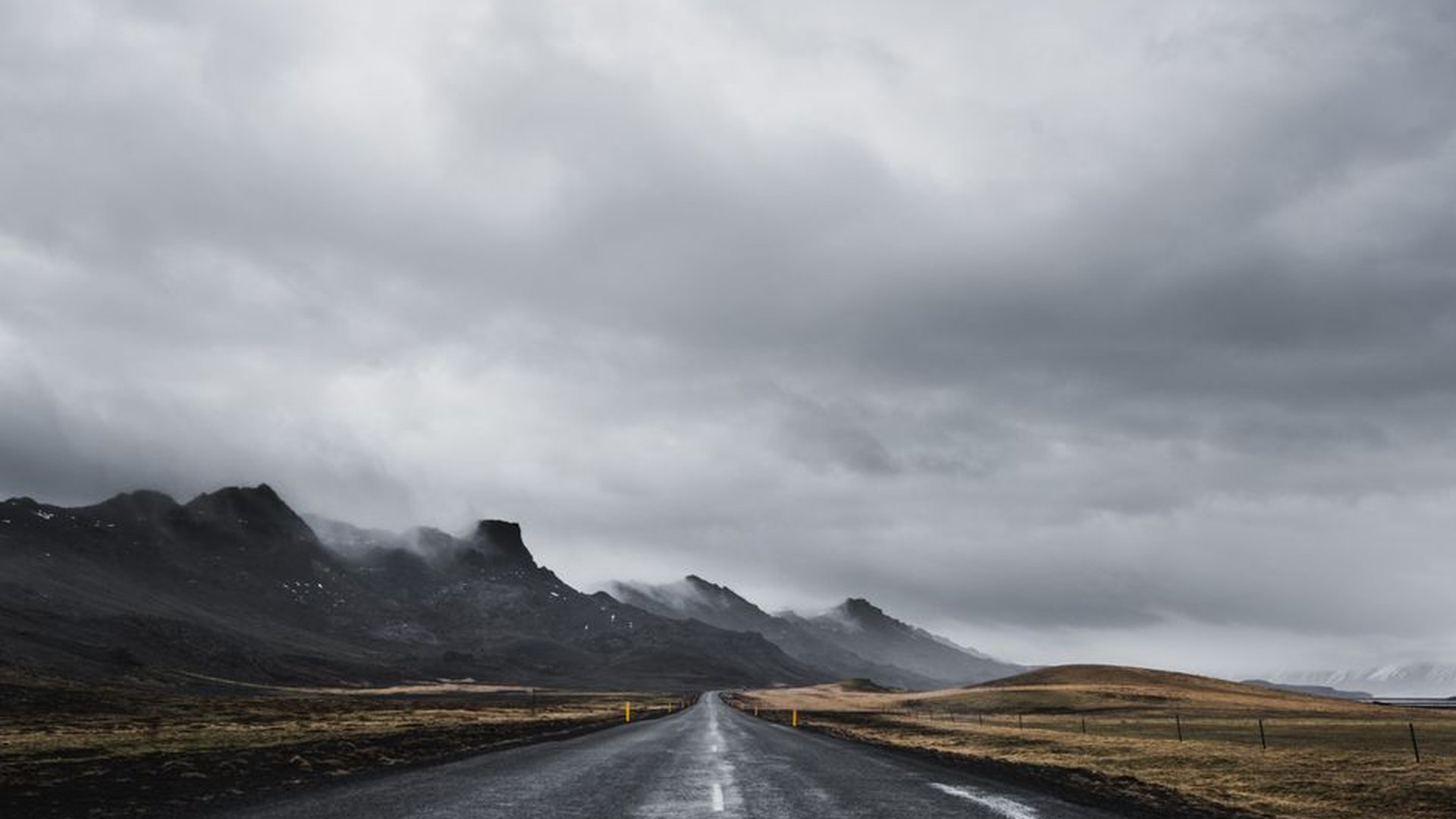
The next morning, I pushed east into the highlands—a territory where roads vanish into fog and footprints are rare. I’d read that only the brave or foolhardy venture here without a guide. But I’d set my mind: I’d chase the northern lights deeper, into the wild heart of Iceland.
The road was rough—unpaved, narrow, and winding over volcanic fields. I passed frozen rivers, smoke-veiled craters, and shepherd’s huts half-buried in snow. At one point, I stopped near a frozen lake, its surface glassy and reflective, and for a moment I wasn’t sure whether I was looking at the sky or the ground. I opened my window and let the cold in—sharp, clean, electric.
That evening, I found a remote cabin, barely a structure, perched on a hillside under a sky so vast I felt I could fall into it. I cooked stew over a portable burner, wrapped in a blanket, and watched the stars rotate. Then, as if the universe had paused to listen, the northern lights returned—bolder this time, dancing in spirals, pulsing like a heartbeat. I sat on the porch for hours, no phone, no noise—just me, the wind, and the green fire above.
Back to the Edge: The Westfjords and the Return
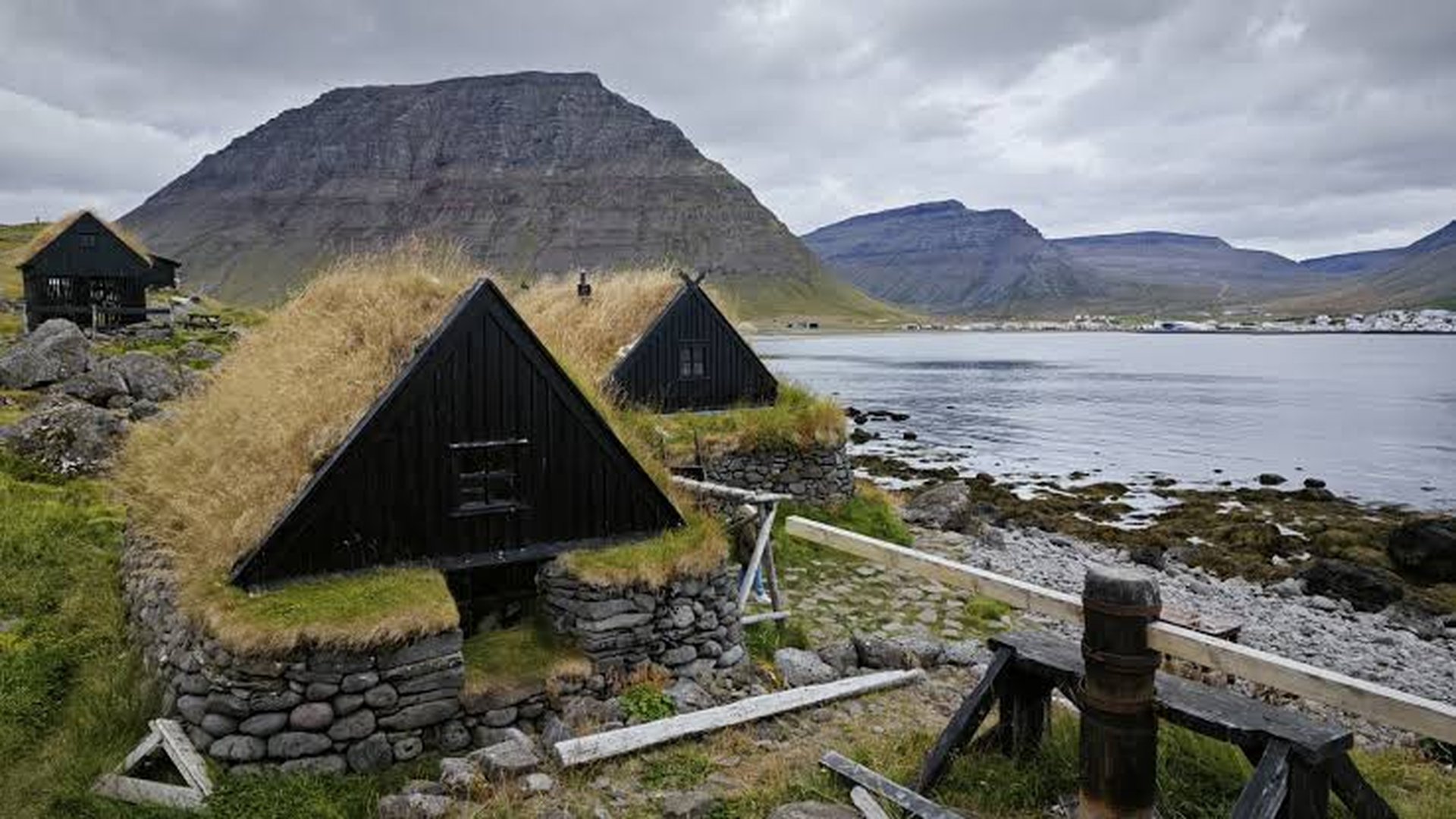
On my final day, I drove west toward the Westfjords, a remote, fjord-cut region where nature still reigns unchallenged. I passed through towns of three houses, fields of cloud-veiled mountains, and old stone churches half-buried in moss. At the village of Bolungarvík, I met an old fisherman who told me the aurora didn’t spell danger for him—it was a sign of peace. He said the lights were like family, returning home.
That night, I made it back to Reykjavík, but not before one last stop: the Seltjarnarnes Peninsula, a quiet spot where the lights had once been seen just before dawn. I parked by the edge of a frozen bay, wrapped in thermal layers, and waited. The sky didn’t disappoint.
As the green curtains thinned into pale blue and the stars blinked awake, I realized something. I’d traveled not just to see the northern lights, but to feel what it means to be small in a vast world. I’d driven through waterfalls with roaring voices, walked on glaciers that groaned under my boots, and stood beneath a sky that moved like a living dream. And in that silence, I found more than beauty—I found clarity.
I don’t know when I’ll go back. But I know this: when you chase the northern lights, you’re not just looking up. You’re looking inward. And in Iceland, every road leads not just to a destination, but to a truth.
The journey began with a dream. It ended with stillness.