Preparing for the Ultimate Arctic Challenge
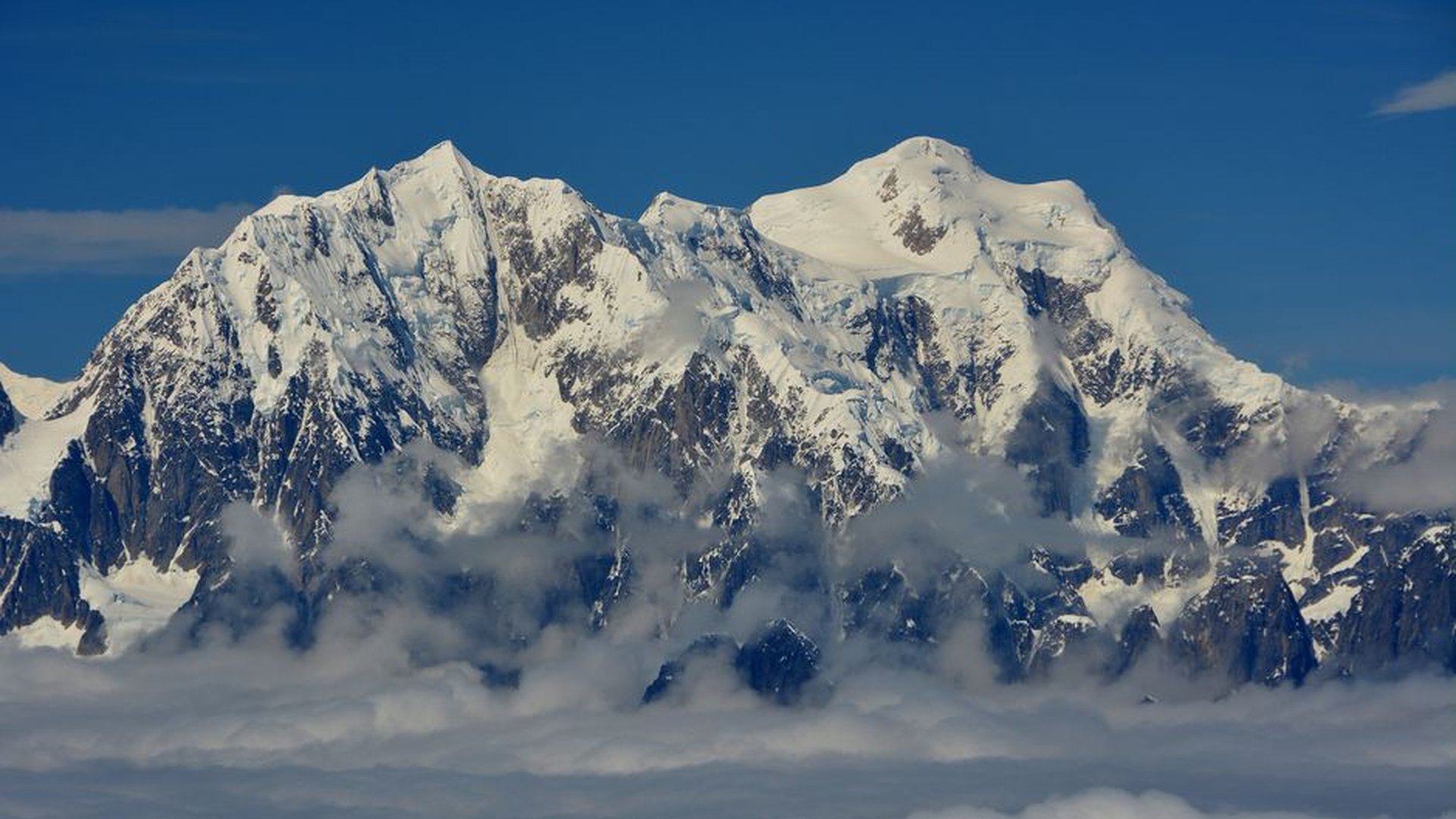
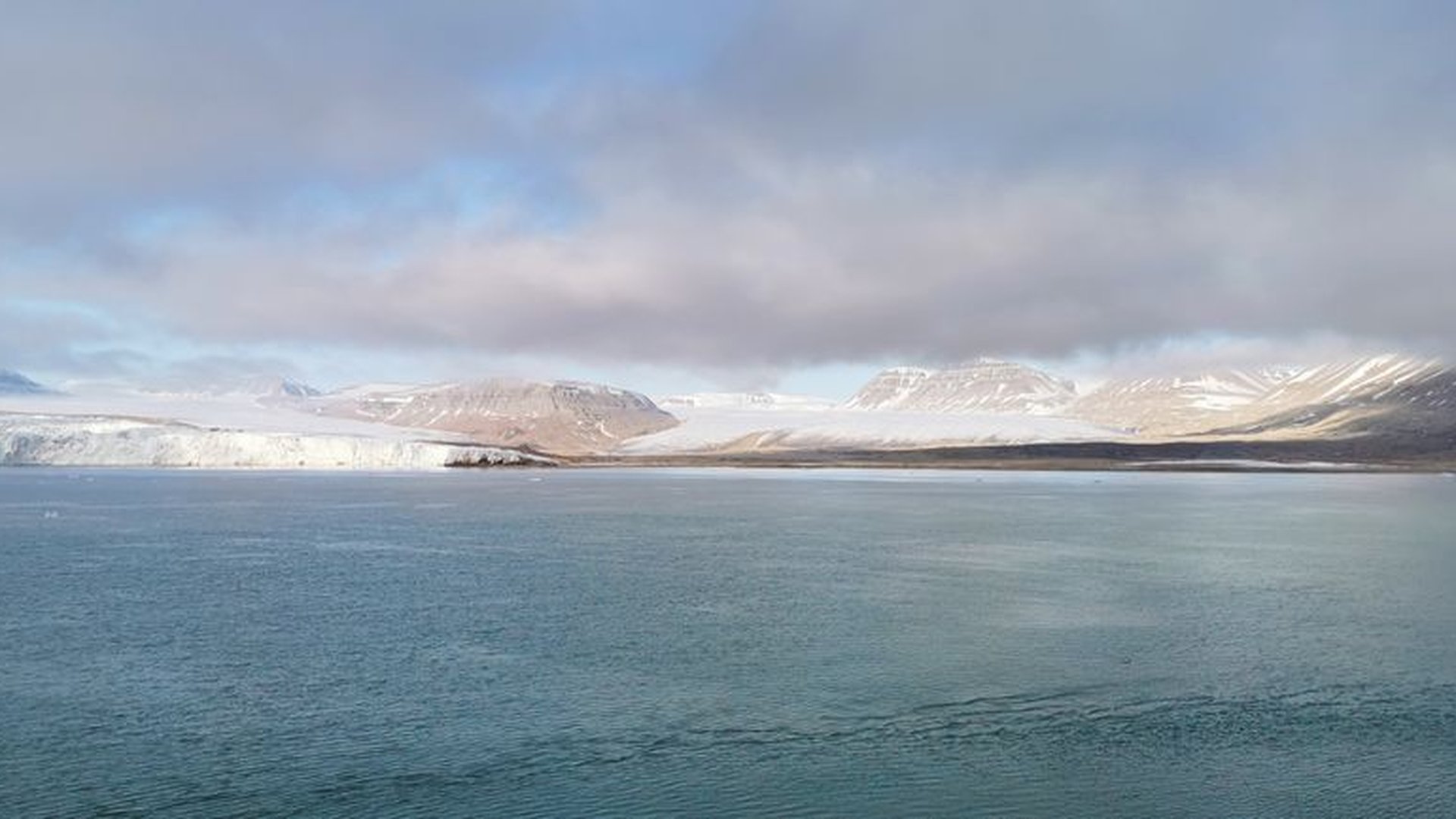
Venturing into the raw heart of Alaska’s polar wilderness isn’t just a trip—it’s a transformation. The wind howls across endless tundra, glaciers calve with thunderous cracks, and the northern lights spiral in silent majesty. But beneath this beauty lies a harsh reality: temperatures plunge to -40°F, and nature rewards only the best-prepared. For anyone serious about experiencing Alaska’s polar regions, a solid gear checklist isn’t optional—it’s survival. Whether you’re hiking the Seward Peninsula, camping near Denali, or exploring the remote Arctic Circle, your equipment must be as tough as the environment.
Layered Thermal Protection: Your Body’s First Defense
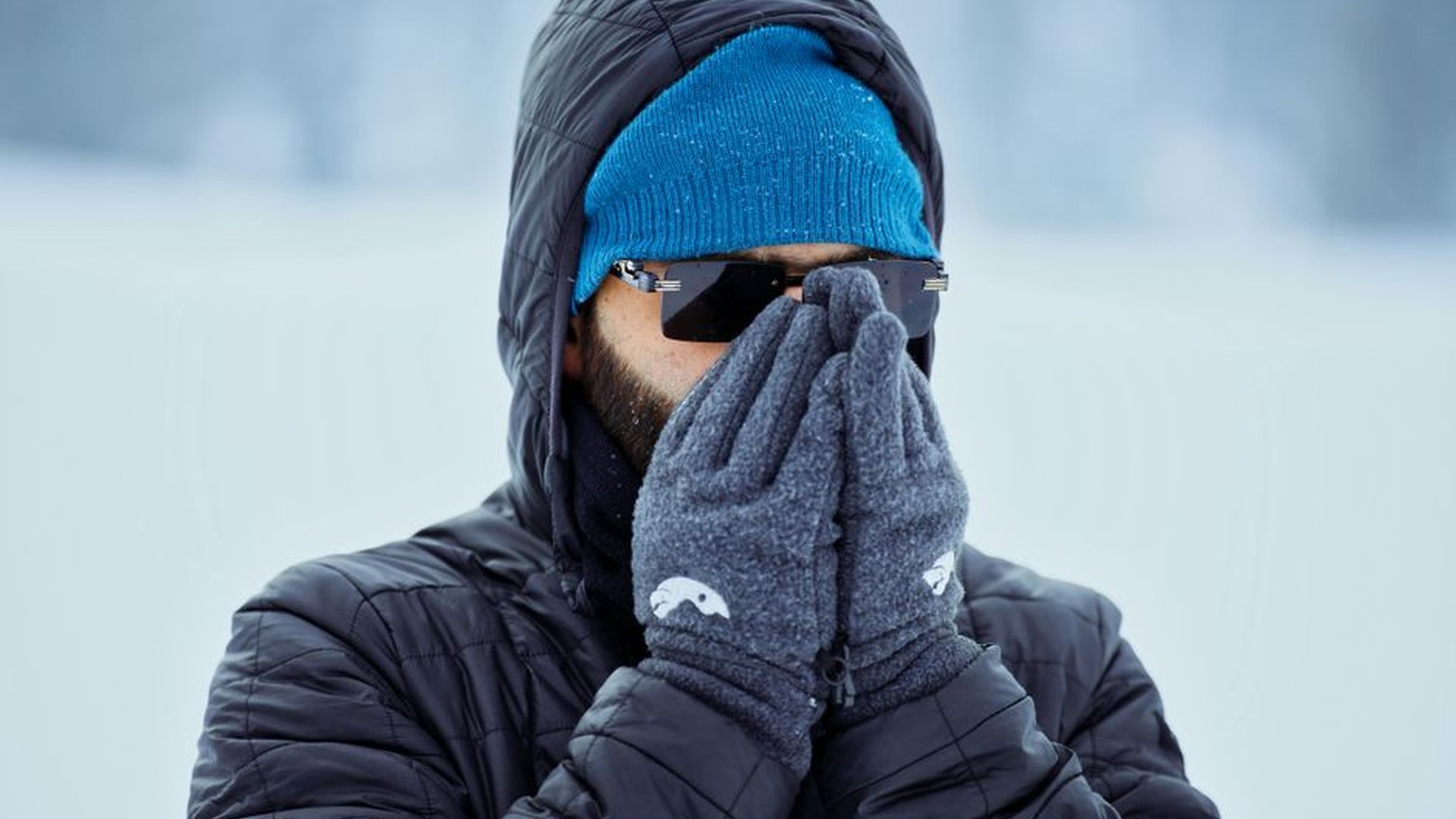
When the wind bites through your jacket like a blade, you’ll wish you had worn the right base layer. In extreme cold, layering is not a suggestion—it’s science. Start with moisture-wicking thermal underwear made from merino wool or synthetic blends. These fabrics pull sweat away from your skin before it freezes, preventing dangerous heat loss. Over that, a mid-layer like a down or synthetic insulated jacket traps body heat efficiently. During high-exertion activities like snowshoeing, you’ll shed this mid-layer, but it’s essential during wind chill or rest periods.
For outer layers, choose a breathable, waterproof shell with sealed seams. Brands like Arc’teryx and Columbia offer models tested in actual Arctic conditions. The shell must block wind and snow while allowing vapor to escape—no condensation inside means no cold sweat to freeze. Never underestimate the power of a high-quality balaclava, glove liner, and thermal neck gaiter. Small items, but they’re what keep your extremities from going numb.
Footwear and Ground Contact: Don’t Let Your Feet Fail You
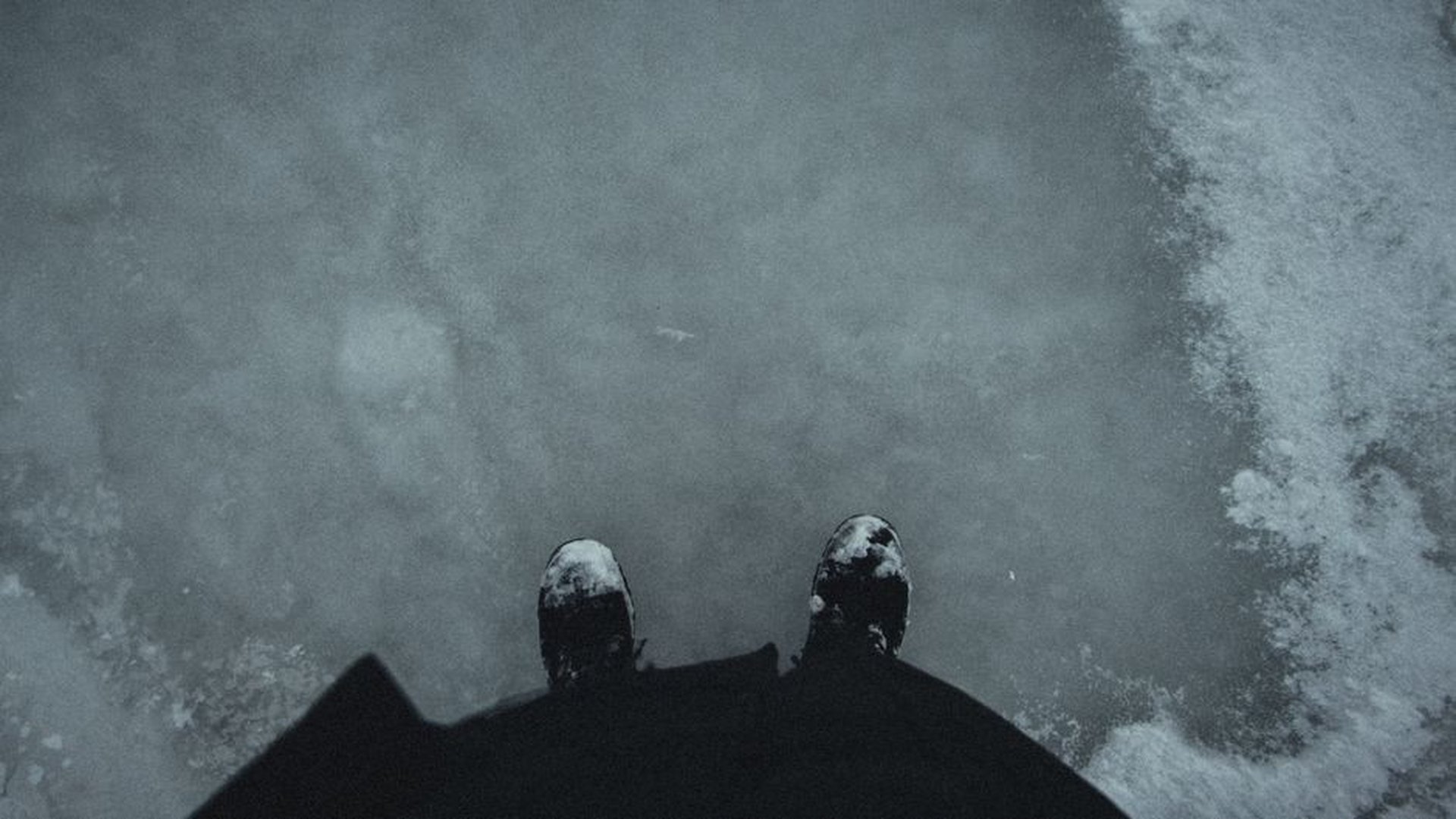
One wrong step on a frozen river or icy tundra can turn a dream into a nightmare. Your boots are your lifeline. Look for insulated, waterproof mountaineering boots rated for -40°F, like the La Sportiva Nucleo or Boreal Kiro. These boots hold heat while resisting ice penetration. But even the best boots fail if your socks aren’t right. Wear two layers: a thin merino base sock, then a thick, cushioned mid-layer. Never use cotton—it soaks up moisture and freezes solid.
Don’t forget insoles. Thermal, high-density insoles not only improve insulation but also reduce foot fatigue from constant walking on snow. Add crampons if you’re tackling ice-covered terrain. A single misstep on a black ice patch could break a bone. Test your boots and crampons in a snowfield before you go—no last-minute surprises under the midnight sun.
Navigation and Emergency Tools: Know Where You’re Going
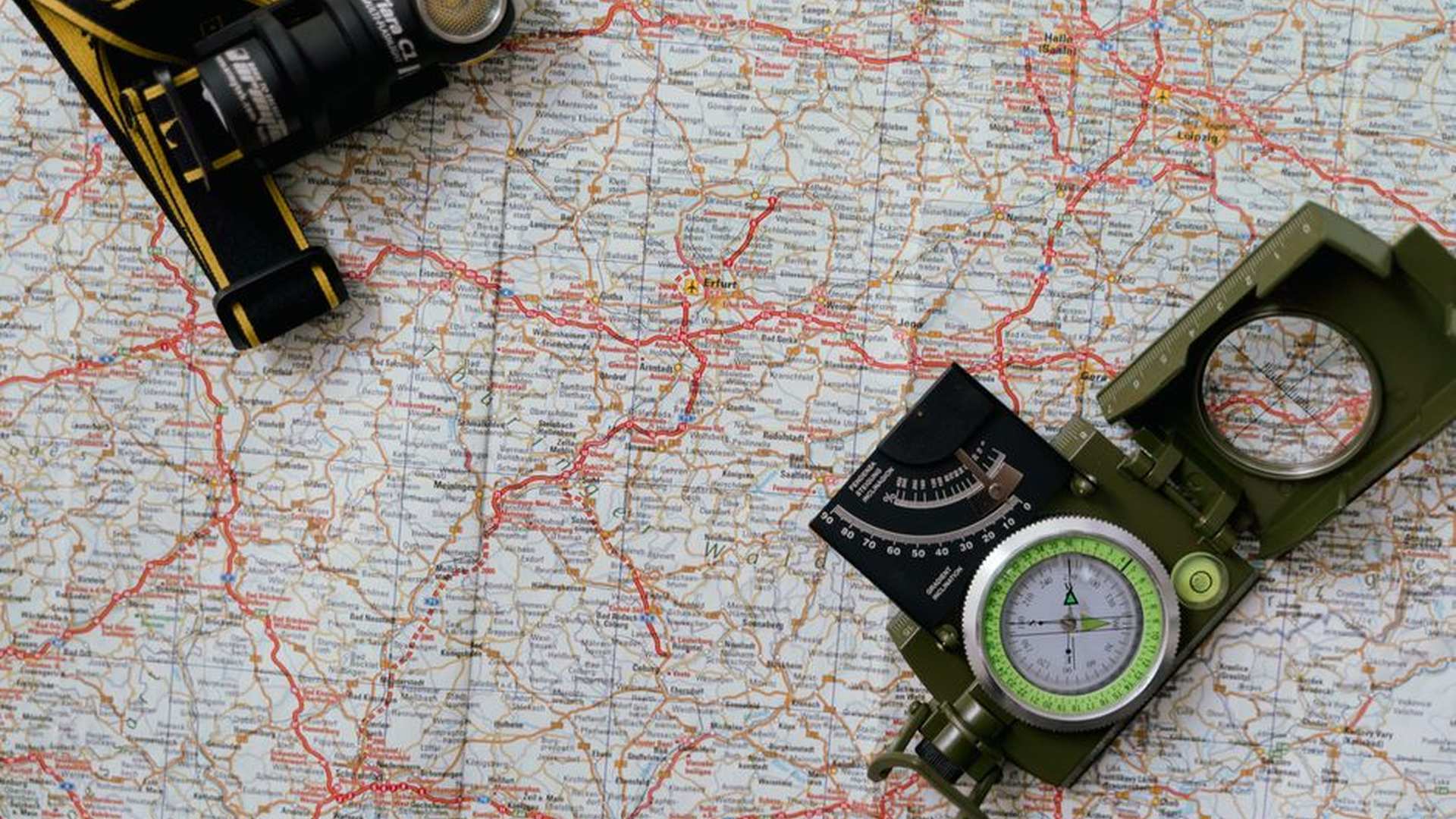
In the Arctic, terrain changes fast. A snowdrift might bury a trail overnight. The sun might not set for weeks, distorting your sense of direction. That’s why navigation isn’t just for map nerds—it’s for every traveler. Carry a GPS device with Arctic-specific maps and a backup compass. Both should be in your outer pocket for quick access. Save a few emergency coordinates: a ranger station, a remote cabin, or even a known trailhead.
Include a personal locator beacon (PLB) or satellite messenger like Garmin InReach. These aren’t expensive luxuries—they’re life-saving tools. In a 2022 incident near Anchorage, a solo hiker was stranded after an ankle injury. His PLB sent a distress signal that reached rescue teams within minutes. Without it, he might not have survived. Always share your itinerary with someone back home—and update them daily.
Survival Kit: Small Tools, Big Impact
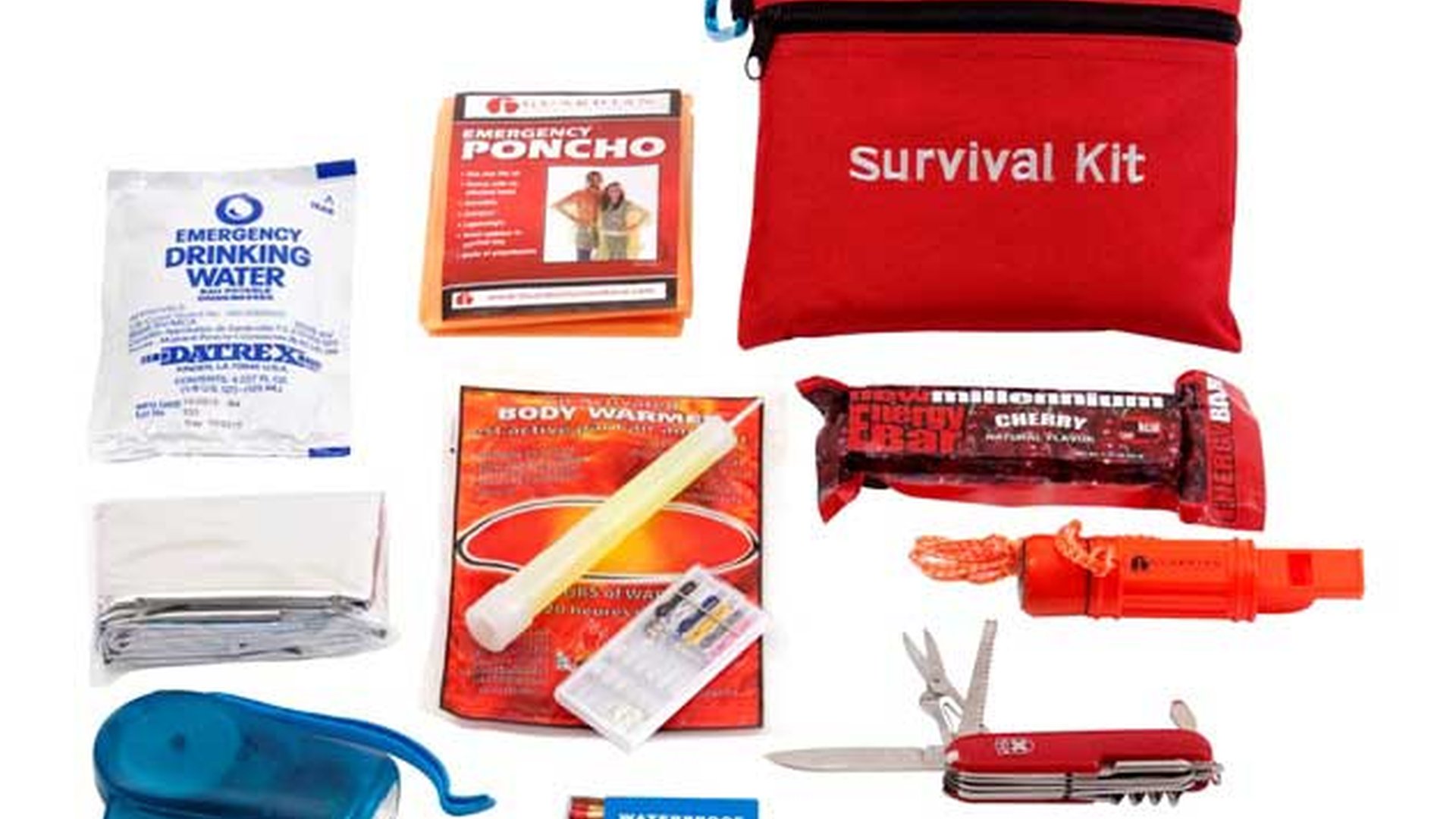
The Arctic doesn’t negotiate. Even in summer, hypothermia can set in fast. That’s why a compact survival kit must fit in your jacket pocket. Pack a fire starter (liquid fuel lighter or ferro rod), a heat-reflective emergency blanket, a multi-tool, and at least 3 days of high-calorie food like energy bars or freeze-dried meals.
Include a small first-aid kit with blister treatment, antiseptic wipes, and a pain reliever. A small bottle of electrolyte powder helps combat dehydration in dry air. And keep a headlamp with extra batteries—darkness, even at noon in winter, can return instantly behind a storm cloud. These aren’t extras. They’re what turn a bad situation into a manageable one.
Beyond Gear: Mental and Physical Readiness
The Arctic is as much a test of mindset as it is of gear. After a 2019 expedition to the Arctic National Wildlife Refuge, one climber said, “I had everything on paper, but what saved me was staying calm when the wind knocked me down.” That’s why physical training matters. Build endurance through snowshoe hikes, cold showers, and strength routines. Mentally, practice mindfulness and cold-exposure routines—your brain must adapt as much as your body.
Always travel with a partner or group. Solitude magnifies risk. And stay alert to weather shifts. A calm morning can turn into a blizzard in 20 minutes. Any unexpected change means you must know your gear, trust your training, and act fast.
Final Thoughts: Respect the Wild, Equip for the Unknown
The beauty of Alaska’s polar regions isn’t just seen—it’s felt. You hear the ice crack like a gunshot. You smell the crisp, clean air. You stand under a sky smeared with auroras, and for a moment, you feel truly alive. But nature doesn’t reward arrogance. It rewards preparation.
Alaska Polar Expedition Gear Checklist isn’t just a list. It’s your promise to yourself: you’ll face the cold, not fear it. You’ll walk where few have, not because you’re reckless, but because you’re ready. Plan it. Pack it. Trust it. Then, step into the snow, and let the Arctic speak to you.